






EU’s New Eco-Regulations Push Waiting Chair Makers to Adopt 100% Recyclable Materials
BRUSSELS — When the European Union announced its new Circular Economy Action Plan last year, few industries expected the regulations to hit public seating as hard as they have. But as the new rules take effect in 2025, waiting chair manufacturers across the continent are racing to transform their supply chains, shifting from traditional materials to 100% recyclable components to meet the bloc’s strict new environmental standards.
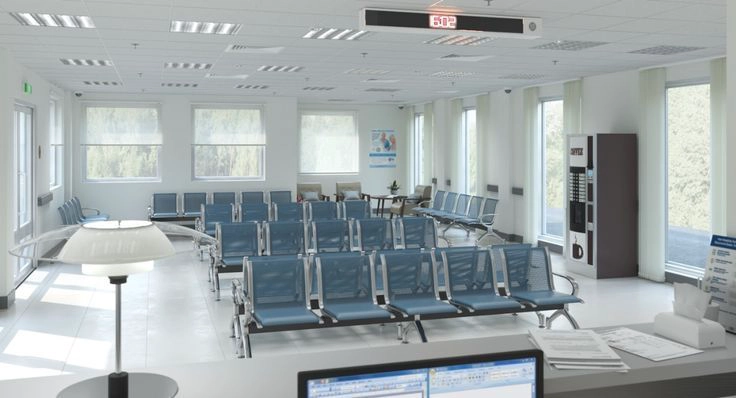
The new EU regulations, which went into effect on January 1, require that all commercial furniture sold in the bloc must be designed for disassembly and recycling, with a minimum of 75% recycled content by 2030. For waiting chair manufacturers, this has meant a complete overhaul of their product design and manufacturing processes, as they work to eliminate non-recyclable materials and create products that can be fully broken down and reused at the end of their lifecycle.
Leading the charge are major European furniture brands like Actiu and Zoeftig, which have already launched new lines of waiting chairs that meet the new regulations years ahead of schedule. Actiu, a Spanish manufacturer known for its sustainable design practices, recently unveiled its new TNK 500 AUREA line, which features an aluminum frame that is 100% recyclable, paired with upholstery made from recycled plastic bottles.
“These new regulations aren’t just a burden—they’re an opportunity to reimagine what a waiting chair can be,” said Carlos Alegre, head of design at Alegre Design, the studio behind the new Actiu line. “We’ve been able to create a product that’s not just environmentally friendly, but also more durable, more comfortable, and more aesthetically pleasing than the traditional models we were producing before.”
The shift to sustainable materials is also being driven by consumer demand, as European businesses and government institutions are increasingly prioritizing eco-friendly products in their procurement processes. A 2024 survey of European procurement managers found that 72% of respondents are now willing to pay a 10-15% premium for seating solutions that meet the EU’s new sustainability standards, as they look to reduce their own carbon footprints and meet their corporate ESG targets.
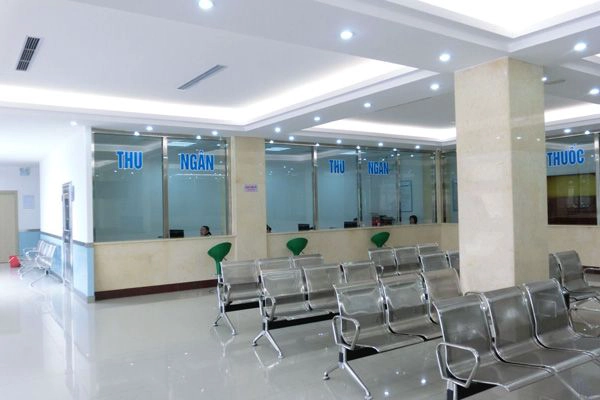
This shift has already had a noticeable impact on the market, with sales of sustainable waiting chair models growing by 27% in 2024, outpacing the growth of traditional models by more than 20 percentage points. Smaller manufacturers are also feeling the pressure, with many being forced to invest in new technology and materials to avoid being locked out of the EU market once the new regulations are fully enforced.
As manufacturers adapt to the new rules, many are finding that the shift to sustainable materials is also improving their bottom line. Recycled aluminum and plastic are often cheaper than virgin materials, and the modular, disassembly-friendly design of the new products makes maintenance and repairs much easier, reducing long-term costs for both manufacturers and their customers.
According to industry analysts, the EU’s new regulations are set to transform the global waiting chair industry, as other regions look to follow the bloc’s lead in adopting circular economy standards. By 2030, experts predict that more than 80% of all waiting chairs sold in Europe will be made from 100% recyclable materials, setting a new global standard for sustainability in the public seating industry.