






Detroit Metro Airport Deploys Smart Waiting Chairs With Integrated Charging, IoT Sensors
DETROIT — For travelers passing through Detroit Metropolitan Wayne County Airport, waiting for a flight has long meant juggling dead phones, cramped seats, and the stress of making it to the gate on time. But this week, the airport launched a groundbreaking new pilot program that is changing all that, rolling out hundreds of smart waiting chairs that integrate charging ports, IoT sensors, and real-time flight updates to transform the waiting experience.
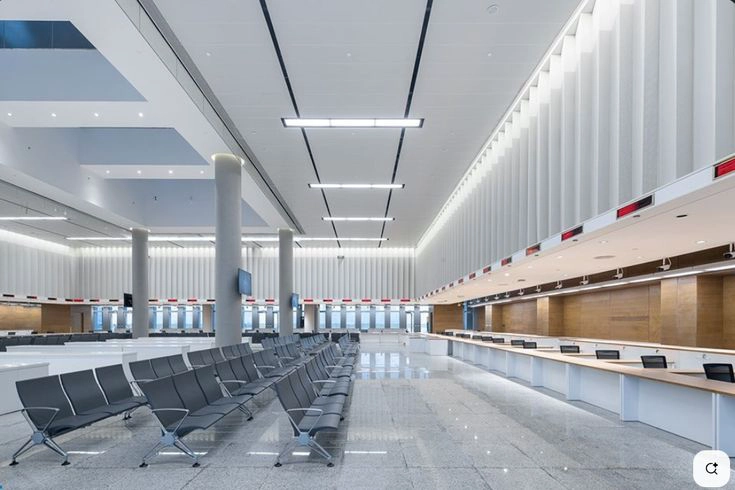
The new chairs, developed in partnership with seating technology firm Arconas and mobility service provider Unifi, are part of a broader effort by the airport to modernize its terminals and improve passenger experience. Each chair features integrated USB-C and AC charging ports, wireless charging pads, and small digital displays that show real-time flight status updates, so travelers can stay connected and informed without having to constantly check their phones.
But the technology doesn’t stop there. The chairs are also equipped with IoT sensors that track usage data, allowing facility managers to see which seating areas are most heavily used, how long passengers wait, and when the chairs need to be cleaned or maintained. This data is already helping the airport optimize its seating layout, ensuring that passengers have access to seats where and when they need them most.
“For too long, waiting areas in airports have been an afterthought—just a place to put seats until it’s time to board,” said Chad Newton, CEO of the Wayne County Airport Authority. “But these new smart waiting chairs are changing that, turning waiting time into productive time for our passengers. Now they can charge their phones, get work done, and stay informed about their flight, all while sitting comfortably.”
The pilot program, which is being funded in part by a grant from the Michigan Economic Development Corporation, is initially rolling out in the airport’s North Terminal, with plans to expand to the rest of the terminals over the next year. The airport is also testing autonomous wheelchair services alongside the new chairs, part of a broader push to make the airport more accessible and inclusive for all travelers.
The response from passengers has been overwhelmingly positive, with early surveys showing that 92% of travelers who used the new chairs said they would prefer to use them over traditional seating. Many passengers noted that the charging ports were a game-changer, especially for business travelers who need to stay connected while on the road.
“ I had a 3-hour layover and my laptop was about to die, and I was panicking because I had a work call to take,” said Sarah Miller, a business traveler from Chicago. “Then I sat down in one of these new chairs, and there was a charging port right there. It made my layover so much less stressful. I never thought a waiting chair could make that big of a difference.”
As the pilot program progresses, the airport is collecting data on passenger satisfaction and operational efficiency, with plans to use that data to refine the program before a full rollout. If successful, the program could serve as a model for other airports across the country, as they look to upgrade their own waiting areas to meet the needs of modern travelers.
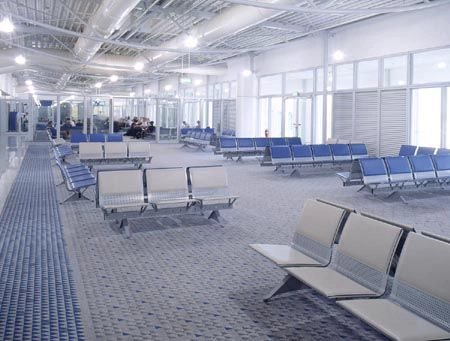
According to industry experts, smart waiting chairs are set to become the new standard for major airports over the next decade, as more and more facilities look to leverage technology to improve the passenger experience. By 2030, analysts predict that more than 60% of all airport seating in North America will include integrated charging and smart features, transforming the way we wait for flights.