





From "Hard Benches" to "Cloud-Like Comfort": How a Materials Revolution is Reshaping the Boundaries of Waiting Chair Comfort
Looking back at the development of public waiting chairs, we can easily see a clear trajectory. Early waiting chairs, limited by technology and cost, were mostly made of solid wood, cast iron, or cold-rolled steel plates. While these chairs were exceptionally sturdy, even "indestructible," their cold, hard feel undoubtedly added to the discomfort of those waiting. In that era, the design logic of waiting chairs was simple: durability above all, comfort secondary.
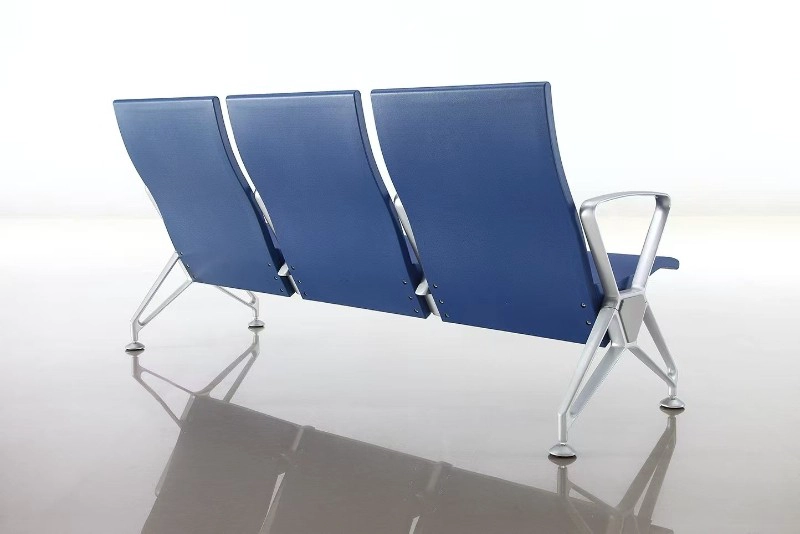
However, with social progress and improved living standards, this "durability over comfort" philosophy is no longer acceptable. Modern consumers, whether shoppers in high-end malls, anxious travelers at airports, or patients hoping for recovery in hospitals, have unprecedentedly high demands for the comfort of public facilities. People are no longer satisfied with simply having a place to sit; they crave rest while waiting and a sense of care during that rest.
At the heart of this transformation is the rapid development of materials science. Today's waiting chair market is a battleground for new materials.
First to appear are **high-performance polymer materials**. Traditional plastic chairs, while lightweight, often give a cheap impression and lack strength and weather resistance. However, the new generation of modified polypropylene (PP), polycarbonate (PC), and fiberglass materials perfectly balances strength, toughness, and aesthetics. Fiberglass, in particular, can be molded into highly streamlined shapes that perfectly conform to the curves of the human spine. Many modern cafes, clothing stores, and high-end office building lobbies favor these one-piece, brightly colored fiberglass waiting chairs. They are not only aesthetically pleasing and stylish, but more importantly, the materials allow for the addition of soft padding and breathable mesh fabric, greatly enhancing comfort.
Secondly, the rise of **environmentally friendly and sustainable materials** has injected a green spirit into the waiting chair industry. Against the backdrop of "dual carbon" goals, waiting chairs made from recycled plastics, recycled concrete, and even construction waste are beginning to emerge. For example, in some city parks and public areas like the North Bund, pilot programs using recycled material seating have not only resulted in unique textures, combining the stability and warmth of stone, but more importantly, they convey an environmentally friendly and sustainable lifestyle concept to the public. This "turning waste into treasure" innovation makes waiting chairs not just tools for rest, but also showcases of urban ecological civilization.
Finally, the application of **intelligent composite materials** has propelled waiting chairs to the forefront of technology. Some high-end waiting chairs are beginning to experiment with temperature-sensitive materials that maintain a certain warmth in winter; or using self-cleaning, antibacterial nano-coatings, which are especially important in places with high hygiene requirements such as hospitals. In addition, the introduction of 3D precision carving technology allows for exquisite three-dimensional carvings and a delicate, smooth texture on the chair surface, achieving a perfect balance of aesthetics and practicality.
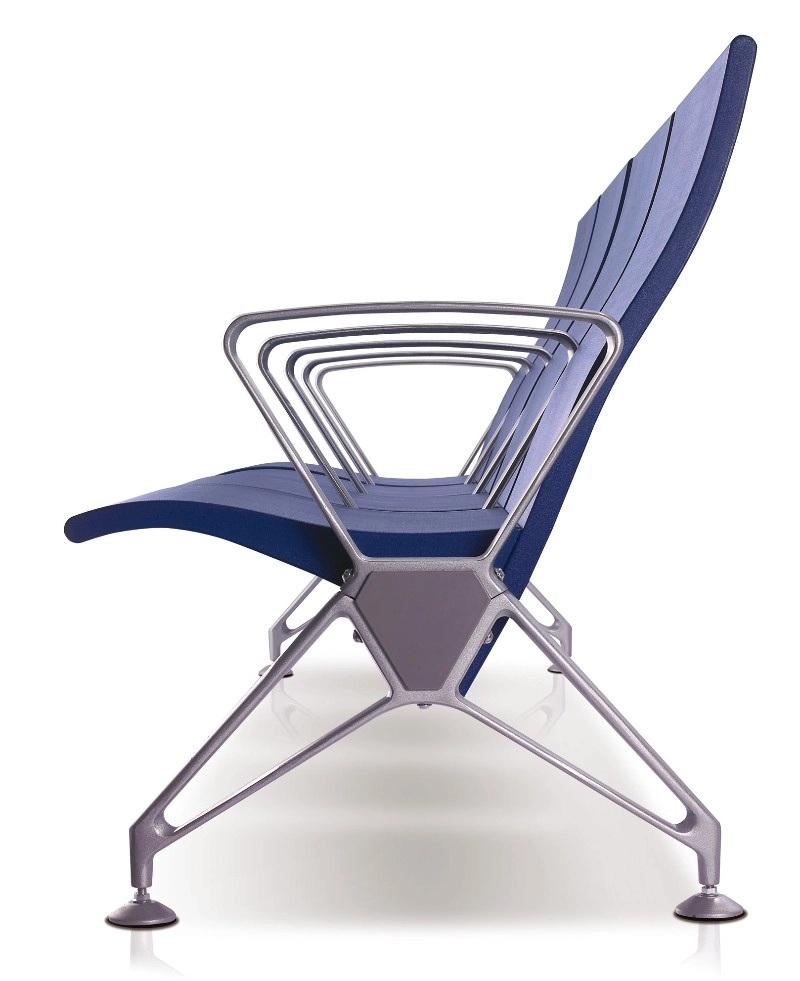
This materials-driven revolution is far more significant than simply "making sitting more comfortable." It profoundly changes the nature of public spaces. When a shopping mall atrium is furnished with soft and comfortable fabric modular seating, it is no longer just a passageway, but transforms into a social and leisure living room; when a hospital waiting area is equipped with quiet, soft upholstered waiting chairs, the cold medical environment gains a touch of humanistic warmth.
For manufacturers, this is both an opportunity and a challenge. The application of new materials means higher R&D investment and more demanding production processes. How to ensure the environmental friendliness and comfort of the materials while also considering their UV resistance, corrosion resistance in outdoor environments, and wear resistance and ease of cleaning in high-traffic areas is a challenge every manufacturer must face. Cost control is also a crucial point. How to bring high-tech, high-quality materials to the market at more affordable prices will determine whether a company can stand out in future competition.
In short, from "hard" to "soft," from "cold" to "warm," from "single" to "diverse," the evolution of materials is redefining the boundaries of waiting chairs. Future waiting chairs will be more than just static objects in a space; they will be a complex integration of aesthetics, ergonomics, materials science, and even environmental science. They will support our every moment of rest in a gentler way, making "waiting" itself an enjoyable experience.