





More Than Just for Sitting: Decoding the Business Value Logic Behind Waiting Chairs
In traditional business logic, public seating is often considered a cost center – requiring investment in purchase and maintenance. However, with the advent of the experience economy, this concept is being completely overturned. The competition in modern commercial spaces is essentially a competition of "customer retention capabilities." Whoever can better meet customer needs will win their favor and their wallets. And "rest" is one of the most basic and urgent needs of customers during shopping, entertainment, or errands.
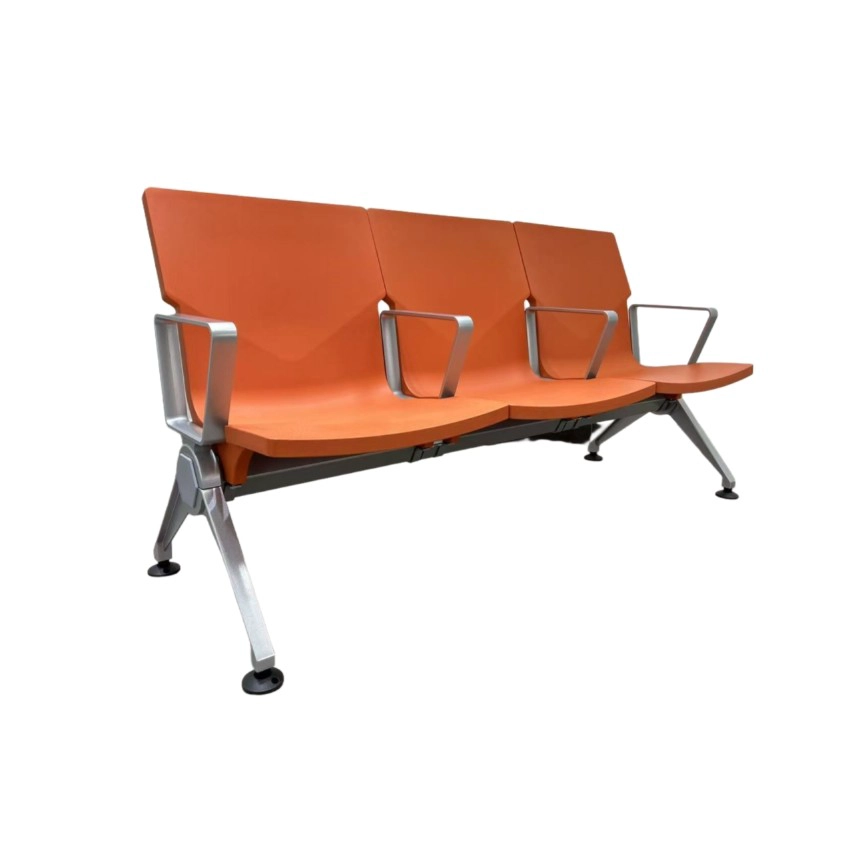
Let's start with a simple scenario. Imagine a customer accompanying their partner shopping in a mall. When he/she feels tired but can't find a seat, the only option is to urge their partner to leave. In this case, the lack of waiting chairs directly leads to a shorter customer stay and the loss of potential consumption. Conversely, if the mall strategically places comfortable waiting chairs in the atrium, corridors, or near shops, this customer can comfortably sit down and rest, perhaps even order a cup of coffee or browse the surrounding merchandise. Studies show that a comfortable resting environment effectively extends the time customers spend in the mall, and this extended stay is directly correlated with the possibility of additional consumption.
This is the most direct business value of waiting chairs – **promoting related consumption**. It provides a "buffer zone" for companions and those who are physically tired, transforming them from "urging companions" into "potential consumers." We can see this strategy at play in waiting areas in movie theaters, queuing areas in restaurants, and next to electronics experience stores. The waiting chairs in these areas are often designed to be more comfortable and socially engaging, even equipped with amenities such as charging ports and small side tables. The goal is to make you "not want to leave or move," thereby generating new consumption impulses during the waiting process.
On a deeper level, waiting chairs are silent ambassadors of **brand image building**. When a customer walks into a high-end car brand showroom or a uniquely designed boutique coffee shop, the first thing they often notice is the interior design, especially the seating. A waiting chair that matches the brand's style and boasts a sophisticated design can instantly convey the brand's philosophy and character. For example, a craft beer bar with an industrial style might choose waiting chairs made of heavy solid wood and black wrought iron to showcase its rugged and unconventional brand personality; while a flower shop emphasizing freshness and nature might choose rattan or light-colored wood chairs to create a warm and soothing atmosphere. At this point, the waiting chair is no longer an isolated product, but part of the brand's visual identity system (VIS), completing emotional communication with the customer the moment they make physical contact with it.
Furthermore, waiting chairs play a crucial role in **optimizing space layout and guiding customer flow**. In large airports or high-speed train stations, the seemingly randomly placed rows of waiting chairs are actually carefully designed "flow guides." They not only provide rest for travelers but also effectively divide functional areas, preventing congestion in key passages and ensuring the efficient and orderly operation of the entire space. In large exhibitions or temporary events, the flexibility of movable waiting chairs is maximized. They can be adjusted according to the flow and concentration of people, maximizing space utilization and enhancing the participant experience.
However, transforming these commercial values from theory into reality is not easy. This requires commercial space planners and waiting chair purchasers to possess a high degree of "scenario-based thinking." You need to ask yourself: Who are my target customers? Under what circumstances do they need to rest? Do they expect a private space for solitude or an open social atmosphere? Do they need a "rest stop" for quick recharging or a "living room" where they can spend time?
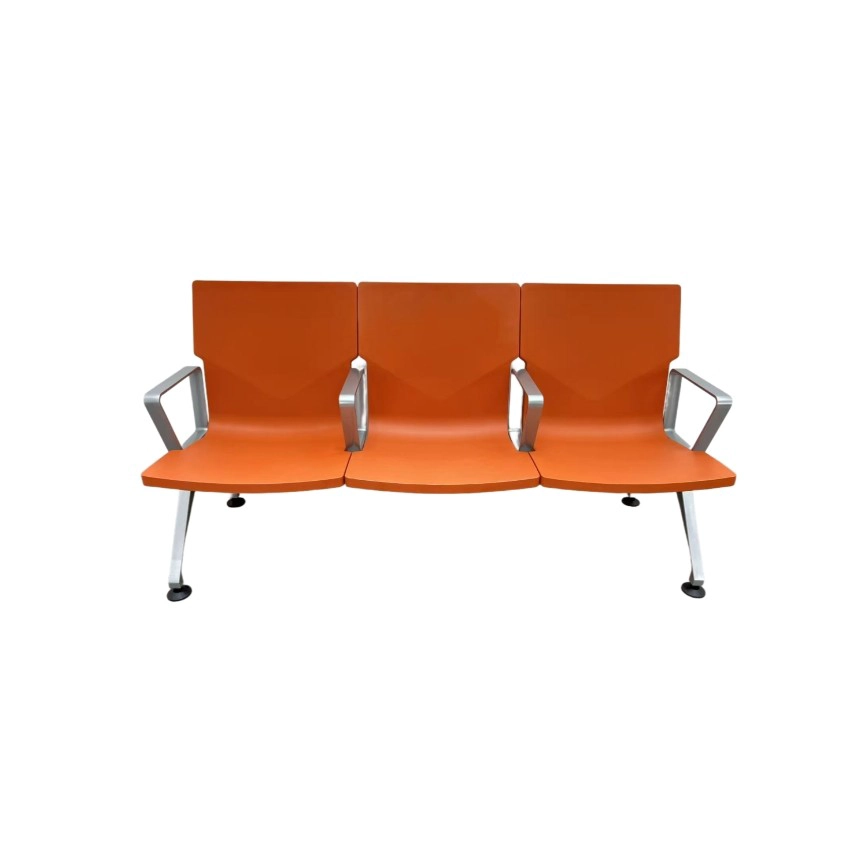
This leads to the diversification of product choices. For high-end business venues such as five-star hotel lobbies or top-tier office buildings, the choice of waiting chairs often leans towards genuine leather, solid wood, or high-end mesh materials. The design prioritizes grandeur, stability, and ultimate comfort to convey a sense of luxury. In fast-paced transportation hubs or crowded shopping malls, durability, ease of cleaning, and fire resistance become the primary considerations, making waiting chairs with metal frames and curved wood panels or reinforced plastic more suitable. For young brands seeking personalization, such as trendy restaurants or fashion boutiques, brightly colored and uniquely designed "influencer-style" waiting chairs can better attract attention, becoming a backdrop for customers' photos and social media posts, thus generating additional social media exposure.
In short, a small waiting chair hides immense business intelligence. It is not only a service facility that enhances customer satisfaction but also a marketing tool that increases revenue and a communication medium that conveys brand values. In the future, waiting chairs that deeply understand user psychology and perfectly integrate functionality, aesthetics, and business strategy will undoubtedly become the undisputed "value-adding king" in commercial spaces.