





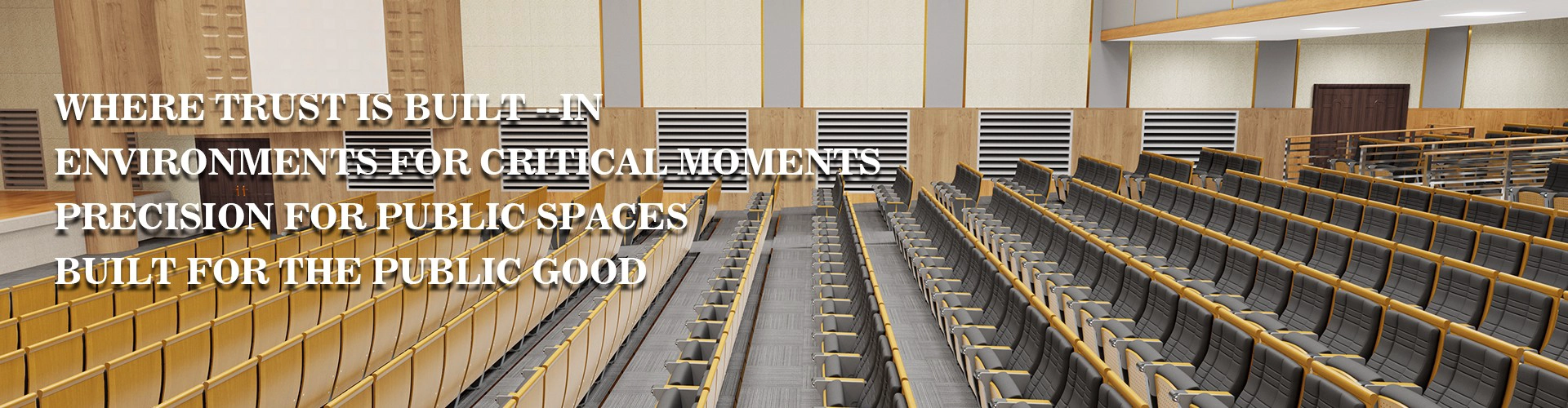
Silent Guardians: How the Waiting Chair Industry is Reshaping the "Micro-Environment" of Public Spaces
Once upon a time, public seating consisted only of cold metal or hard wooden planks, offering only the most basic function of "sitting." However, with the acceleration of urbanization in my country, the improvement of public services, and the fierce competition in the commercial sector, the **waiting chair** industry is undergoing a profound transformation. It is no longer considered a simple accessory, but is being redefined as a key element in enhancing user experience, shaping brand image, and even promoting potential consumption.
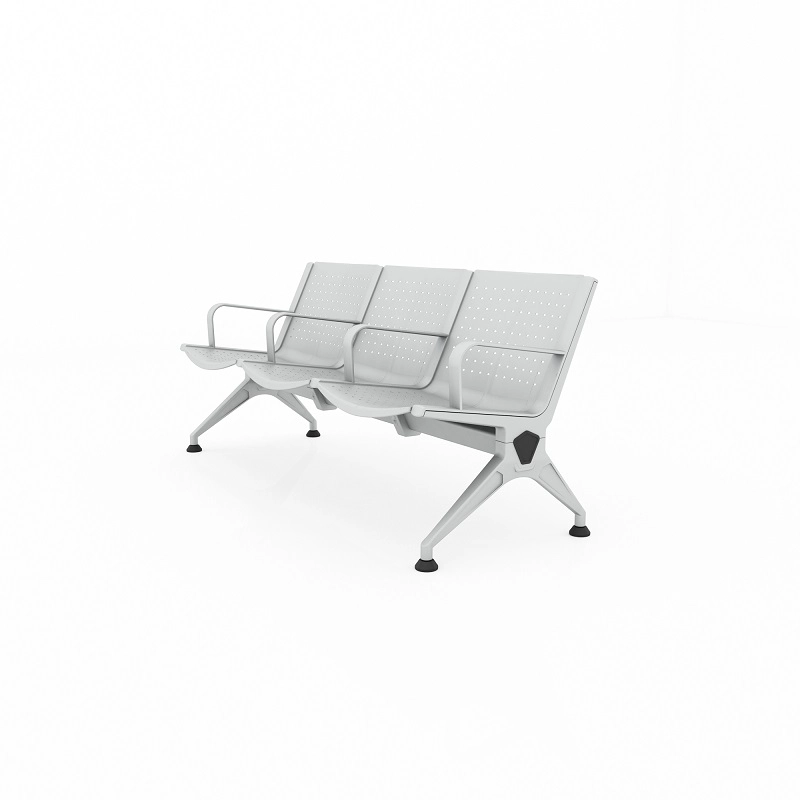
According to the latest in-depth industry research report, the public waiting chair industry has formed a relatively mature competitive landscape and is showing a diversified development trend. In terms of product types, fixed and movable waiting chairs are developing in parallel to meet the stringent requirements of different scenarios. In terms of materials, the industry has long broken through the limitations of traditional wood or iron. The application of new materials such as plastic, fiberglass, high-elastic mesh fabric, and environmentally friendly recycled materials has greatly enhanced the durability, aesthetics, and environmental adaptability of the products.
The core driving force behind this transformation comes from the upgrading of user needs. Modern people's pursuit of quality of life has led to a decreased tolerance for "waiting" and a soaring expectation for comfort. Therefore, modern **waiting chair** designs are increasingly focusing on ergonomic principles. Designers are no longer working in isolation, but are deeply studying the physical characteristics and sitting habits of different groups of people. For example, for the elderly and parents with children, the weight-bearing capacity and armrest design of the chairs have become more considerate; for passengers waiting for a long time at clinics or airports, the curvature of the backrest, the softness and hardness of the seat, and the breathability have all been carefully calculated to minimize fatigue caused by prolonged sitting.
Intelligence is another important trend in the development of the waiting chair industry. In high-end business venues and transportation hubs, we can already see smart waiting chairs integrated with USB charging ports, Bluetooth speakers, and even massage functions. These "smart" chairs not only address the common anxiety of low battery levels for electronic devices but also enhance the quality of rest through technological means. Some institutions predict that global demand for these chairs with health support and intelligent interaction features will continue to grow, marking a shift in the industry from simple price and appearance competition to a focus on technological content and health value.
Beyond functionality and technological advancements, the aesthetic value of waiting chairs is also receiving increasing attention. In shopping malls, cafes, and boutique hotels, waiting chairs often become an integral part of the interior design. Designers cleverly utilize color, shape, and materials to ensure these chairs blend seamlessly into the environment while also serving as focal points. Rational layout not only optimizes spatial functionality but also subtly guides customer flow, preventing congestion and even indirectly promoting potential consumption by extending customer dwell time.
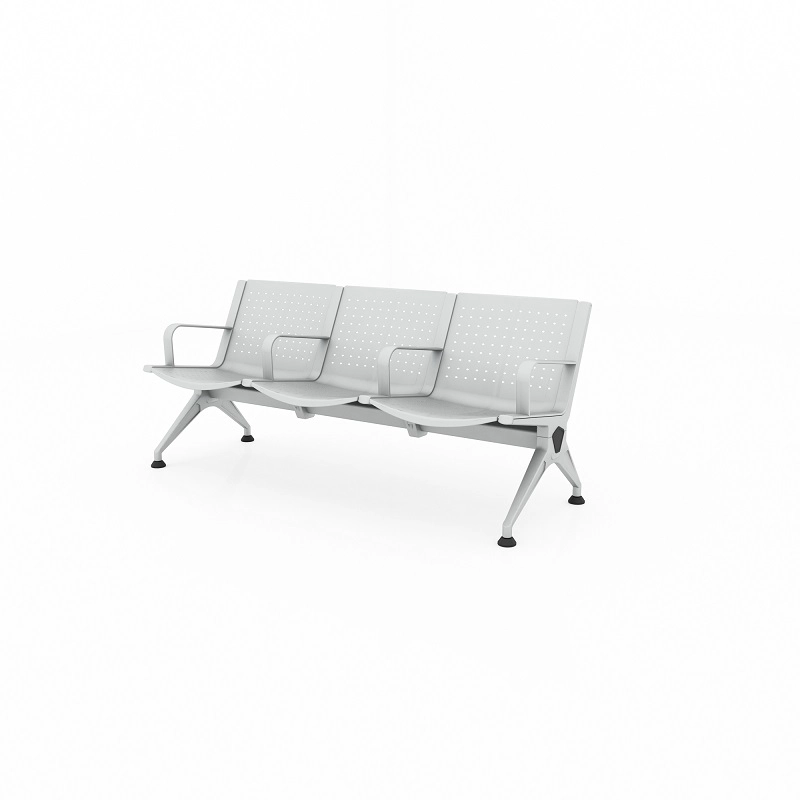
Of course, the rapid development of the industry also brings new challenges. How to ensure comfort and aesthetics while simultaneously maintaining ease of cleaning and high load-bearing capacity? How to protect user privacy and reduce maintenance costs in the wave of intelligent technology? These are all issues that waiting chair manufacturers need to continuously consider and address. Furthermore, with the advancement of the "dual carbon" strategy, the application of green and environmentally friendly materials and product recyclability will undoubtedly become new benchmarks for future market competition.
A small waiting chair reflects the warmth of public services and the sophistication of commercial civilization in a city and a country. From its initial function of simply "providing a seat" to today's "comfortable seating," "healthy seating," and even "smart seating," it represents the collective efforts of countless companies throughout the supply chain. Looking ahead, with continuous technological advancements and the growing demand for a better life, we have reason to believe that the waiting chair industry will continue to be user-centric, constantly innovating to create more humane and high-quality public space experiences. The next time you sit on one of these "silent guardians," you might feel the craftsmanship and care embedded in every detail.