





From Ocean Trash to Algebra Class: The First School Desk and Chair Made Entirely from Ghost Nets
A staggering 640,000 tons of abandoned fishing gear pollute our oceans, entangling marine life. Now, that deadly waste is being intercepted, recycled, and molded into the brightly colored school desk and chair sets appearing in eco-conscious districts worldwide.
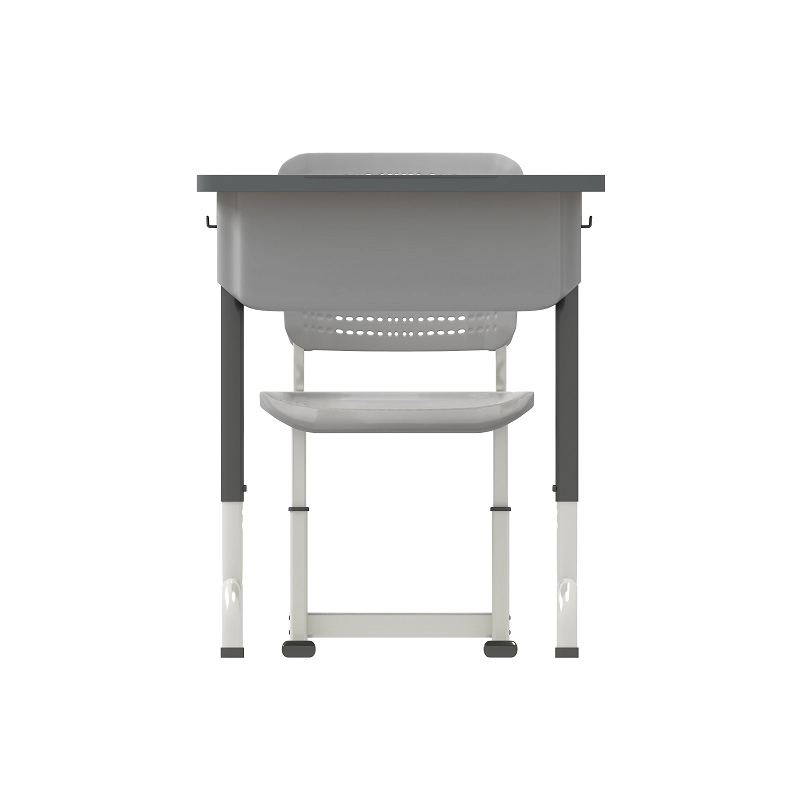
The environmental footprint of school furniture is massive yet largely invisible. Millions of plastic chairs and laminate desks are produced annually from virgin petrochemicals, used for a decade, and then landfilled. A groundbreaking partnership between a Norwegian environmental NGO and a major contract furniture manufacturer has created a genuinely circular alternative. The "Ocean Classroom" collection is a fully traceable school desk and chair set whose polypropylene shell, desk top, and book basket are injection-molded from 100% recycled nylon and polyethylene recovered from discarded fishing nets. The nets are collected by partner vessels in Southeast Asia and the Mediterranean, cleaned, shredded, and chemically depolymerized back into raw resin that is functionally identical to virgin plastic. The resulting school desk and chair is robust, UV-stable, and available in a palette inspired by marine biology — deep sea blues, coral pinks, and kelp greens.
Telling the story of the material's origin is central to the product's educational mission. Each school desk and chair carries a QR code etched into the underside of the desk top. When students scan it with a tablet, they are taken to an interactive digital portal that shows the GPS coordinates where the specific batch of ghost nets was recovered, videos of the divers cutting the nets free from coral reefs, and data on the energy saved by recycling versus incineration. This turns the school desk and chair itself into a teaching tool for ocean literacy and the circular economy. Teachers have reported that students who sit at these sets develop a strong sense of stewardship and pride, often becoming fierce guardians of "their" chair because they understand its origin story intimately. It’s a powerful antidote to the disposable culture that cheap, anonymous furniture can foster.
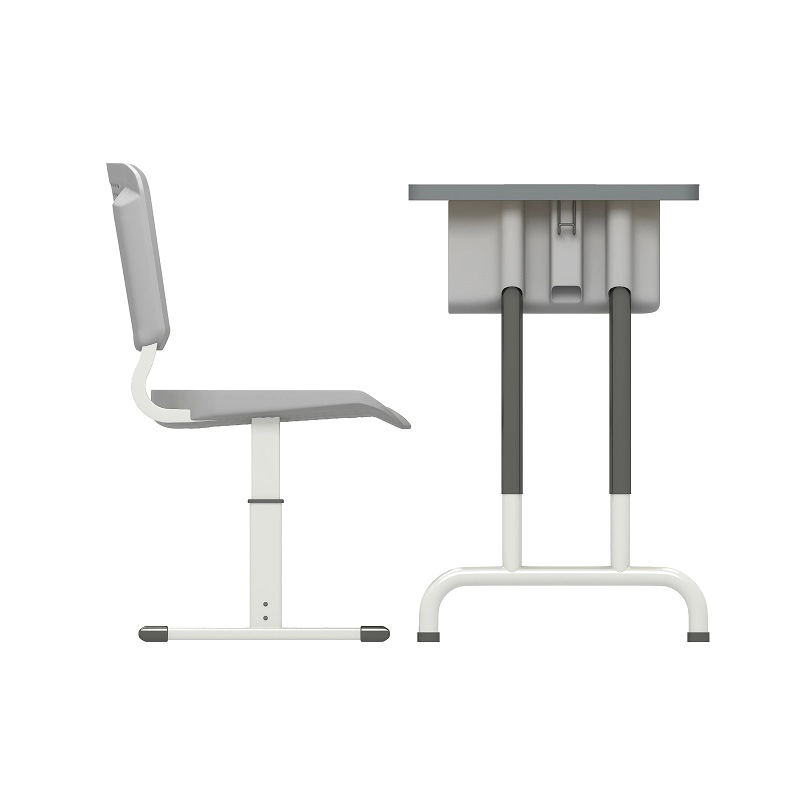
On the technical performance side, this ocean-plastic school desk and chair had to meet stringent durability and safety standards. Early recycled plastics were brittle and prone to fading under classroom UV light. The new polymer formulation incorporates advanced stabilizers and impact modifiers that enable the material to withstand the dynamic loads of a 200-pound high school student leaning back on two chair legs. The desk surface is slightly textured to diffuse glare from overhead lights, and its non-porous finish resists the ink, marker, and adhesive residue that plague school maintenance teams. While the per-unit cost currently runs a 20% premium over standard models, several large U.S. and European school districts have written the Ocean Classroom school desk and chair into their RFPs as a compliance pathway for their climate action plans. In an age when students are marching for climate action, the furniture they sit on daily has become a powerful statement of institutional values — and a genuine contribution to cleaning up the planet's most threatened ecosystems.