





The Standing Revolution Reaches K-12: Height-Adjustable School Desk and Chair Systems Combat Childhood Obesity
The typical school desk and chair has kept children glued to their seats for six hours a day, contributing to a global crisis in childhood obesity and postural deformity. Now, a new generation of sit-stand school furniture is allowing students to adjust their work surface height on a whim, and the results are startling.
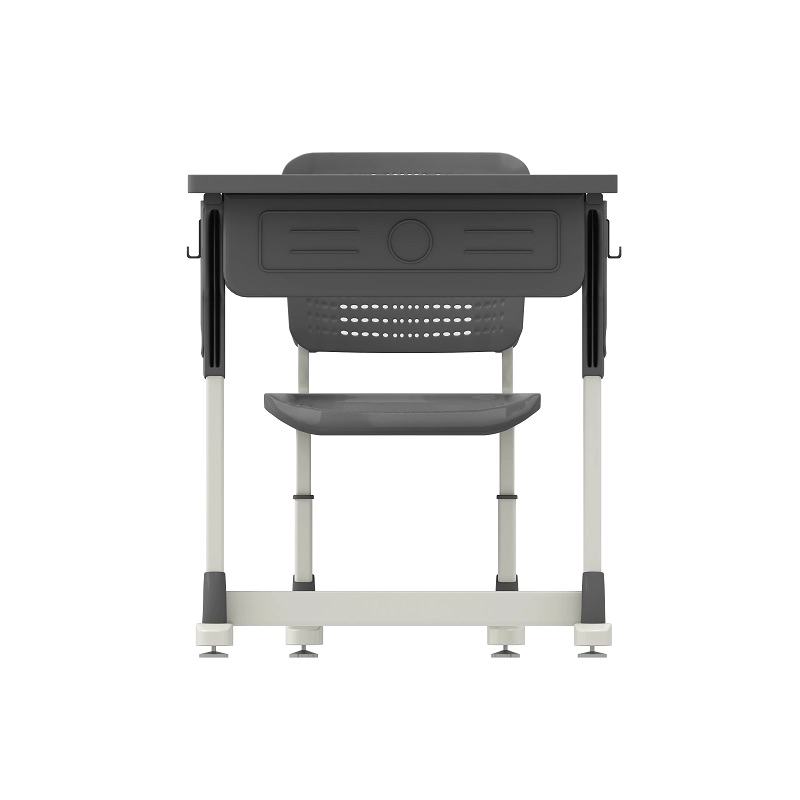
Pediatric orthopedists and public health officials have been sounding the alarm for a decade: the sedentary school day is a health time bomb. Even children who play sports after school spend the majority of their waking hours sitting statically in a one-size-fits-all school desk and chair that often fits their bodies poorly. The latest response from the educational furniture industry is the mass-market, affordable sit-stand desk. Unlike the expensive, motorized executive desks of the corporate world, these classroom models use a simple, silent counterbalance gas spring mechanism. With a light touch of a paddle, a fifth-grader can smoothly raise the desk surface from a seated typing height to a standing height, and the accompanying stool-like chair can be tucked beneath. Crucially, the entire school desk and chair assembly is mobile; it sits on locking casters, allowing the classroom to transform from a lecture layout to a standing collaboration cluster in under a minute.
The physiological benefits observed in pilot schools are compelling. A year-long controlled study in Texas elementary schools compared students using traditional fixed-height school desk and chair sets with those using the adjustable sit-stand models. The intervention group showed a 17% greater reduction in Body Mass Index percentile and significantly improved postural stability scores. Teachers reported that the option to stand led to better focus during long independent work periods, particularly among students with ADHD. The simple act of standing for fifteen minutes at their school desk and chair appeared to burn enough restless energy to allow for renewed concentration when they sat back down. The design eliminates the social awkwardness of standing out; because every desk can adjust, a child who needs to move is not isolated at a special "standing desk" at the back of the room, but remains integrated within their peer group.
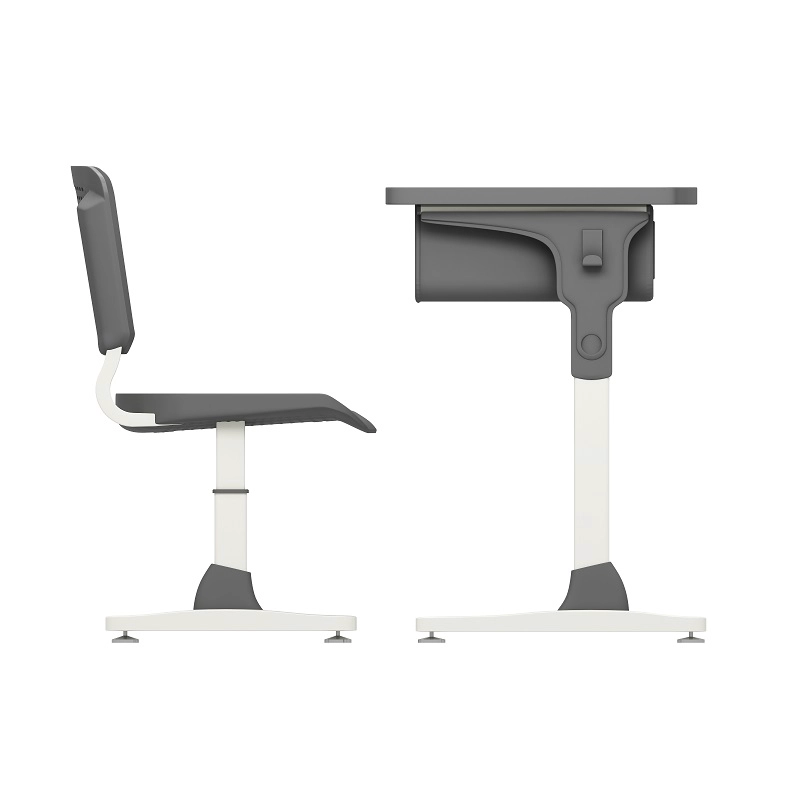
The procurement challenge remains cost. A fully adjustable school desk and chair system is currently two to three times the price of a basic fixed unit. However, the total-cost-of-ownership argument is gaining traction. The adjustable models are built with higher-grade laminates and steel gauges, giving them an operational life of twenty years compared to the seven-to-ten-year average of standard furniture. More critically, they address the recurring cost of "mismatch" — the fact that a fixed-height desk purchased for a kindergarten classroom is ergonomically useless by the time those students reach third grade. An adjustable school desk and chair grows with the child, eliminating the need for a mid-cycle replacement. As districts incorporate physical activity into their metrics for school quality, the sit-stand classroom is moving from a wellness luxury to a foundational requirement, fundamentally redefining what a school desk and chair should provide for a developing body.