





From Ocean Waste to Opera Houses: The Rise of Sustainable Auditorium Seats
In an era when every industry is scrutinizing its environmental footprint, the humble auditorium chair is emerging as an unlikely hero. The next time you settle in for a symphony, you might be sitting on recycled fishing nets — and it will feel more luxurious than ever.
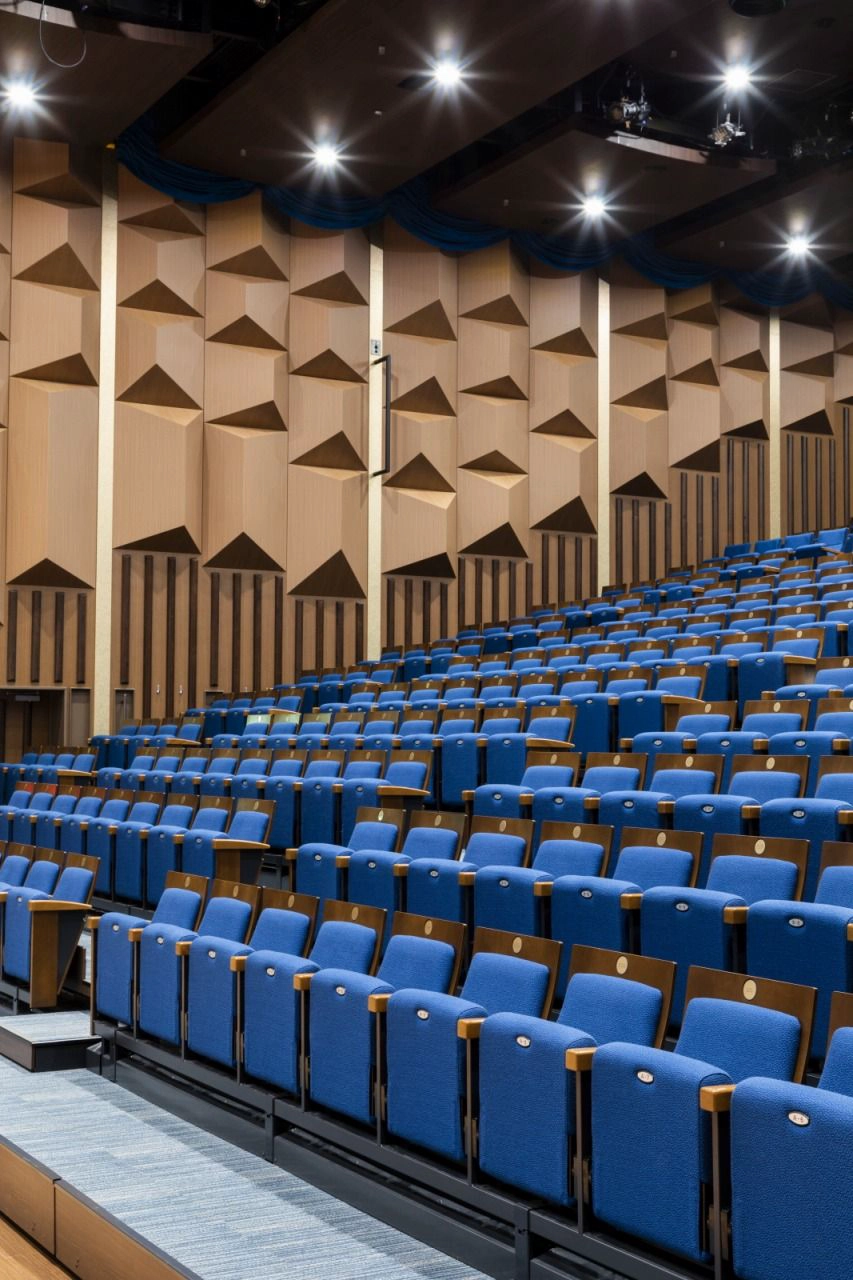
The global push toward net-zero carbon pledges has not spared the live entertainment sector, and manufacturers of auditorium seats are now racing to redefine what sustainability means for fixed furniture. For decades, the industry relied on virgin polyurethane foams, petroleum-based textiles, and energy-intensive steel frames. That model is crumbling. Today, several European and North American producers have introduced seating lines constructed almost entirely from reclaimed ocean plastics, recycled post-industrial aluminum, and FSC-certified wood. A prominent Spanish manufacturer recently unveiled a model whose shell is formed from discarded ropes and trawls sourced from Mediterranean cleanup projects, while its cushioning uses a plant-based foam substitute derived from soy and castor oil.
The transformation goes deeper than raw materials. Leading architects now specify auditorium seats that carry Environmental Product Declarations and meet stringent LEED or BREEAM criteria. Venues pursuing green certification can earn substantial credits by choosing seating with low volatile organic compound emissions and fully demountable components. This end-of-life design philosophy means that after decades of service, the entire chair can be disassembled in minutes and its fractions redirected into closed-loop recycling streams. One London-based firm has even launched a buy-back guarantee: when the seats require replacement, the company retrieves and recycles them at no extra cost, a promise that directly addresses the landfill anxiety long associated with large-scale renovations. This circular approach is rapidly becoming a procurement baseline for publicly funded concert halls. Furthermore, the concept of carbon-storing furniture is gaining traction; some auditorium seats now incorporate bio-composite shells that lock atmospheric carbon for decades, effectively making the seating a carbon sink rather than a carbon source.
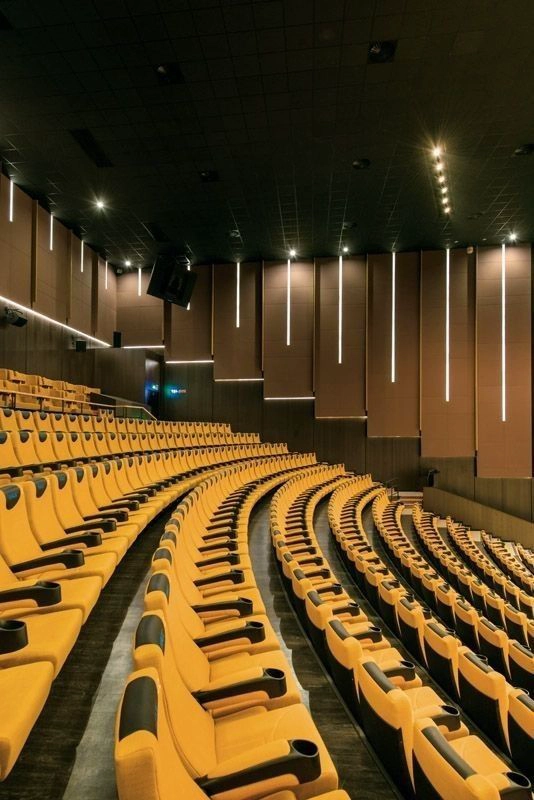
This green wave is not confined to materials alone. Production methods are shifting toward localized manufacturing to cut transportation emissions. A Canadian startup recently opened micro-factories that 3D-knit upholstery to exact dimensions, eliminating fabric waste entirely. Combined with lightweight, flat-pack steel frames that reduce shipping volume by 40%, these innovations cut the overall carbon footprint of auditorium seats by more than half compared to traditional equivalents made just a decade ago. As governments tighten sustainability mandates, the pressure on venue operators is immense. Those that select next-generation auditorium seats are discovering that environmental performance and occupant comfort need not be traded off against each other; the recycled polyester velvets used today are softer, more durable, and infinitely more responsible than their virgin predecessors. The message is clear: the future of performance spaces will be built from the past’s waste.