





Global Waiting Chair Market to Surpass $26B by 2032, 8.2% CAGR Fuels Industry Expansion
LONDON — The global waiting chair market is set for explosive growth over the next seven years, according to a new report from Future Market Report, with the market size projected to surge from 26.5 billion by 2032, driven by rising demand for smart, sustainable, and accessible seating solutions across healthcare, transit, and commercial sectors.
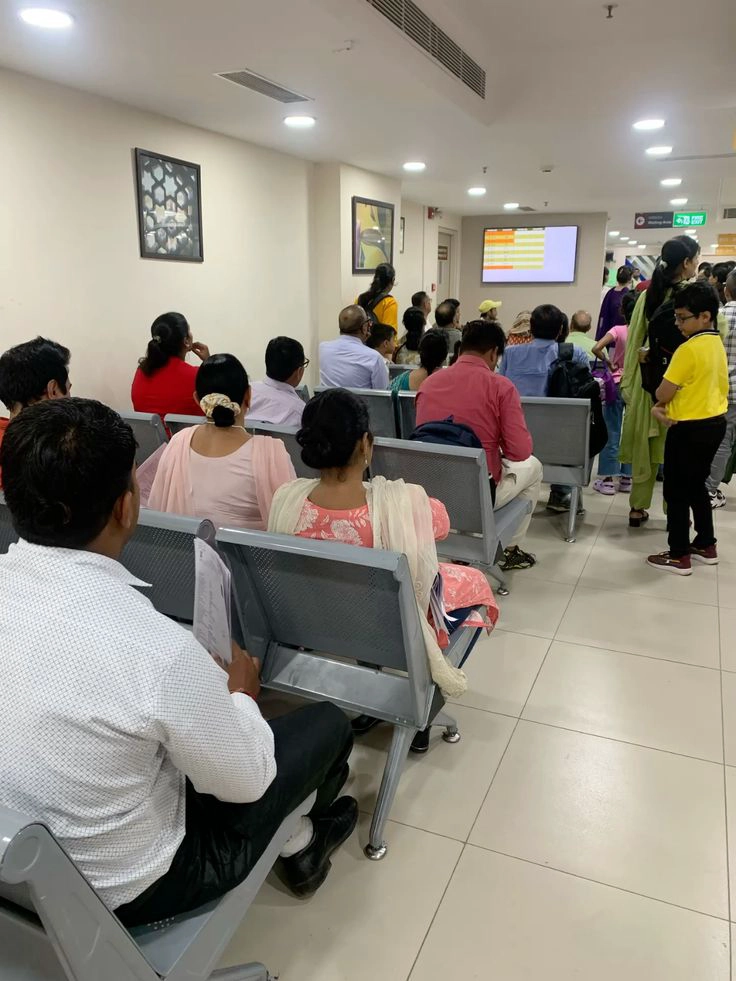
The report, which analyzed market data from 50 countries across the world, found that the market will grow at a compound annual growth rate (CAGR) of 8.2% over the forecast period, outpacing the growth of the broader commercial furniture industry by more than 3 percentage points. This growth is being fueled by a range of factors, from infrastructure investments in emerging markets to post-pandemic upgrades to public spaces in developed economies.
“ The waiting chair industry has changed dramatically over the past five years, and that change is only going to accelerate over the next decade,” said Sarah Jones, lead analyst at Future Market Report and the author of the new report. “For decades, this was a low-growth, commodity market, with manufacturers selling cheap, generic row chairs. But now, customers are demanding more—they want smart, ergonomic, sustainable seating that enhances the waiting experience, and that’s driving this massive growth.”
The healthcare sector is expected to remain the largest segment of the market, accounting for 42.8% of total sales by 2032, as hospitals and clinics across the world upgrade their waiting areas to improve patient satisfaction and meet new hygiene standards. The transit sector is the second-largest segment, with airports and train stations investing heavily in new seating to improve the passenger experience, particularly as air travel rebounds to pre-pandemic levels.
North America is expected to remain the largest regional market, capturing 34.5% of global market share by 2032, driven by large-scale infrastructure investments in the United States and Canada. Europe is the second-largest market, with growth driven by the EU’s new sustainability regulations, which are pushing manufacturers to adopt more eco-friendly materials and designs.
But the fastest growth is coming from emerging markets, particularly Southeast Asia and the Middle East, where rapid urbanization and infrastructure development are driving massive demand for public seating. In Southeast Asia, the market is expected to grow at a 10.6% CAGR over the forecast period, as countries like Indonesia, Vietnam, and Thailand build new hospitals, airports, and public transit systems to accommodate their growing populations.
“Emerging markets are where the biggest growth opportunity is right now,” said Jones. “As these countries develop, they’re building brand new public spaces, and they’re not stuck with the old, outdated seating that we have in many developed countries. They’re going straight to the new, smart, sustainable waiting chair models, which is driving a lot of the growth in the market.”
The report also found that the premium segment of the market is growing much faster than the budget segment, with sales of high-end, feature-rich waiting chairs growing at a 12.4% CAGR, compared to just 4.7% for low-cost models. This is because customers are increasingly willing to pay more for seating that is more comfortable, more durable, and more functional, as they recognize that good seating can improve customer satisfaction and reduce long-term maintenance costs.
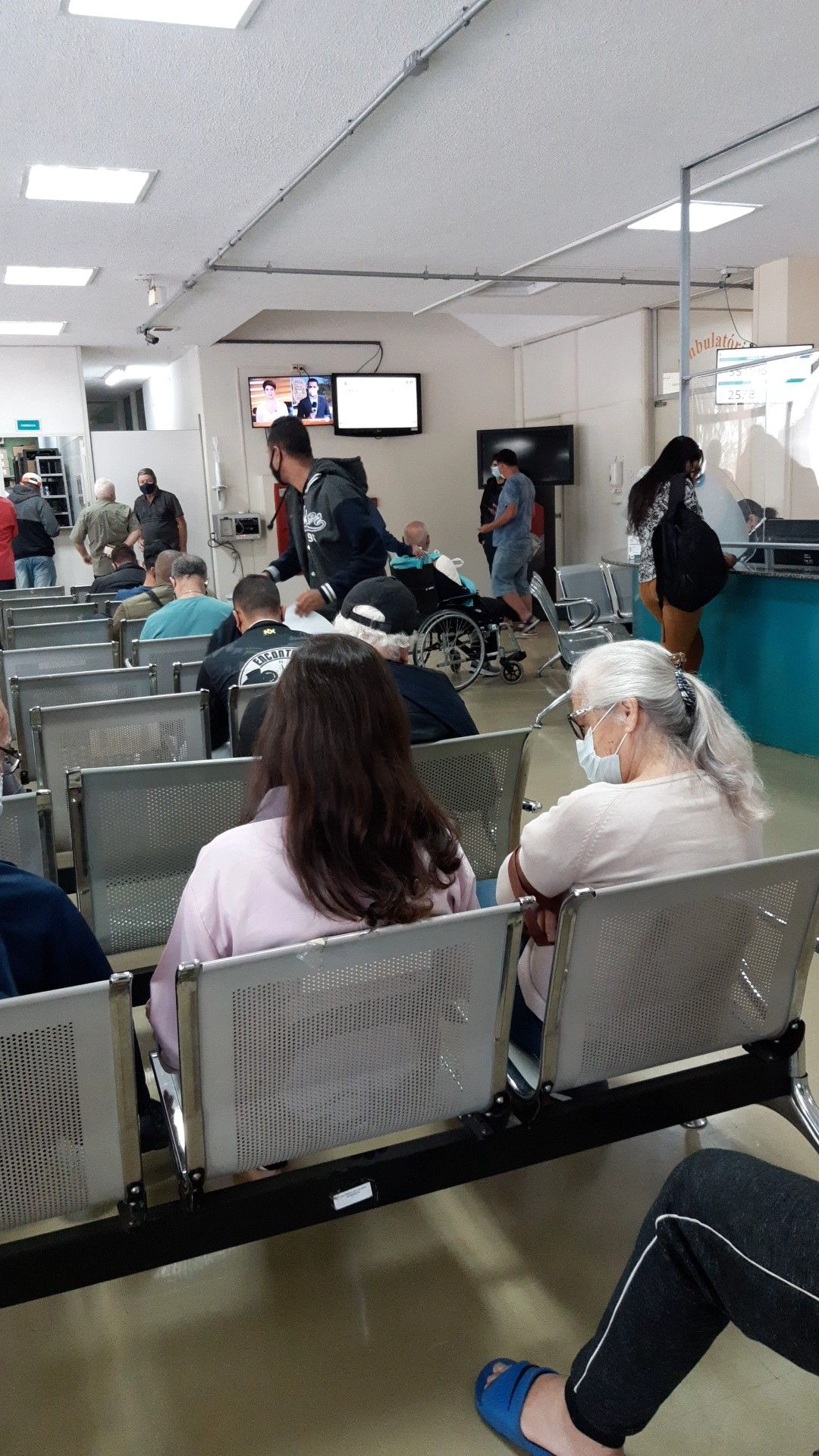
“Customers are realizing that a waiting chair isn’t just a cost—it’s an investment,” said Jones. “A good waiting chair can last 10 years or more, and it can make a huge difference in how customers feel about your business or your facility. That’s why more and more customers are willing to pay a premium for high-quality products.”
According to the report, the biggest challenges facing the market are fluctuations in raw material prices, and the need for manufacturers to adapt to new regulations and changing customer demands. But overall, the outlook for the industry is extremely positive, with analysts predicting that the market will continue to grow strongly over the next decade, as the demand for better waiting experiences continues to rise.