





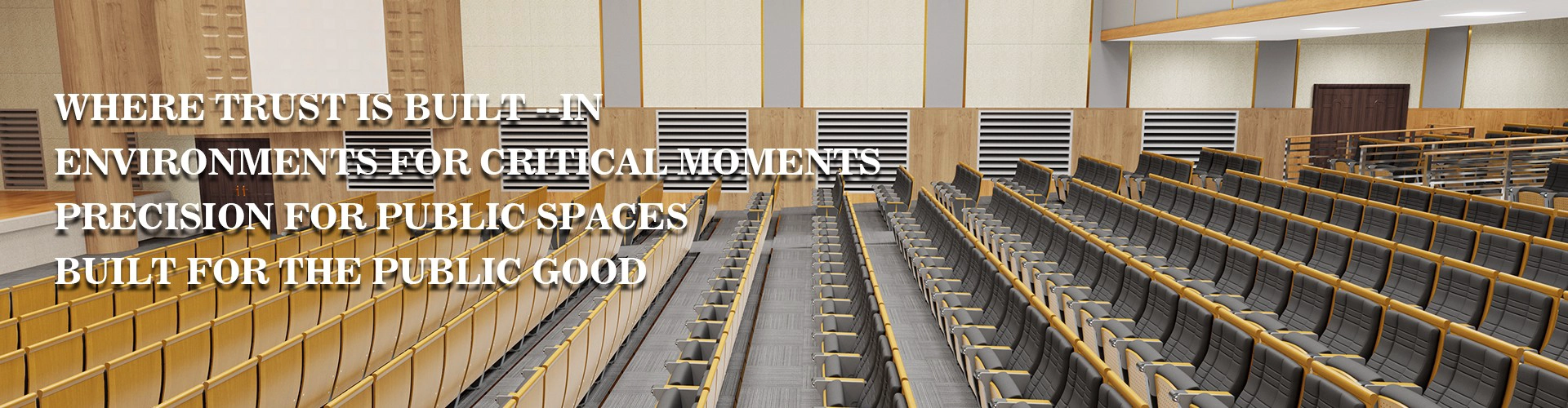
Airport Waiting Chair Market Grows 4.2% CAGR, Smart Features Become Standard for Global Hubs
BEIJING — The global airport waiting chair market is set for steady growth over the next seven years, according to a new report from QYResearch, with the market size projected to grow from 678 million by 2032, driven by the ongoing modernization of airports across the world, and the growing demand for smart, passenger-centric seating solutions.
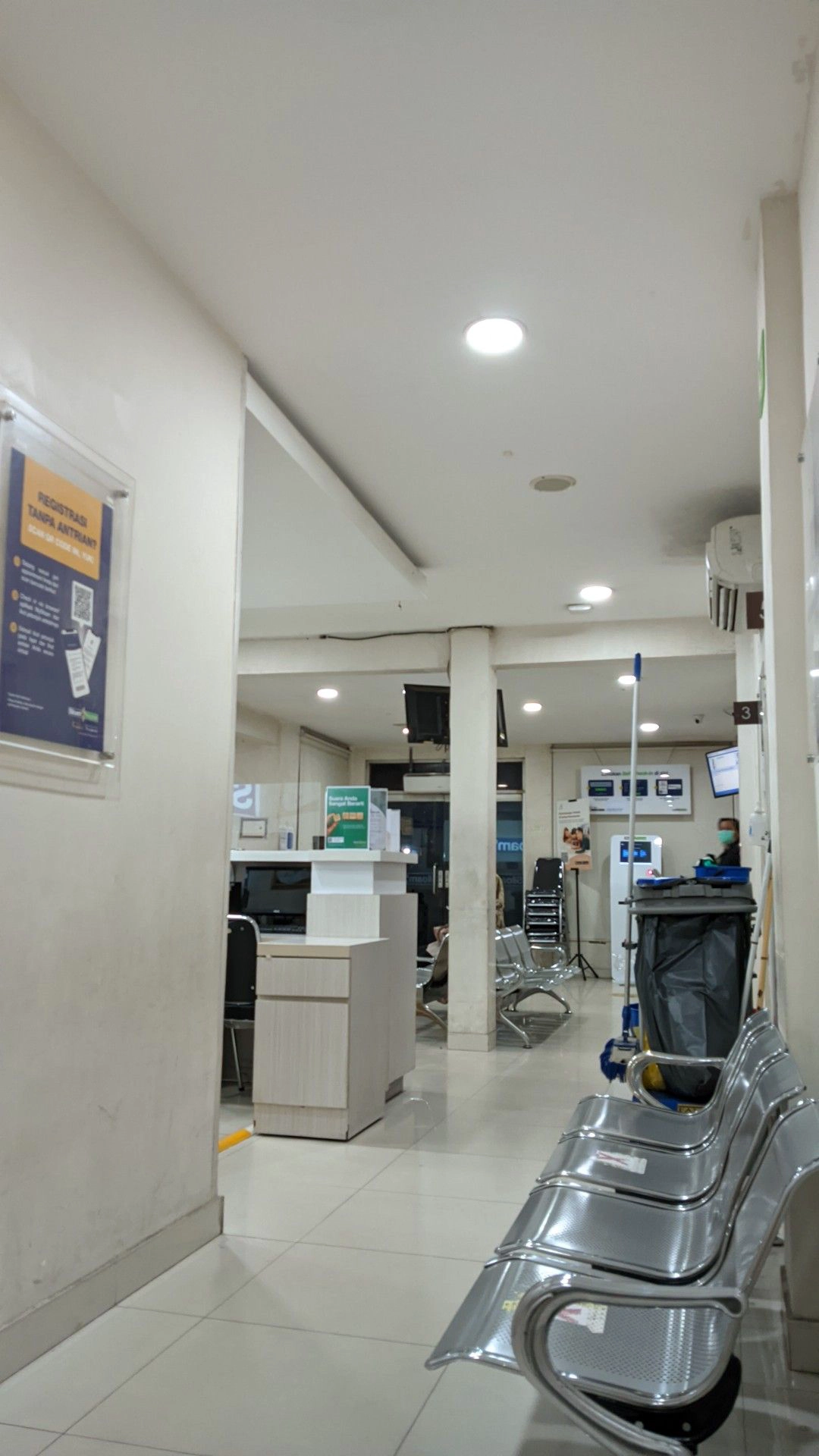
The report found that the market will grow at a compound annual growth rate of 4.2% over the forecast period, as airports recover from the pandemic and invest in upgrades to improve the passenger experience. For years, airport seating was focused on maximizing capacity, fitting as many seats as possible into a small space. But now, airports are shifting their focus to comfort and convenience, with smart features like charging ports and real-time flight information becoming the new standard.
“Airports are no longer just places to catch a flight—they’re becoming destinations in their own right,” said Li Wei, a senior analyst at QYResearch and the author of the report. “Passengers expect to be able to work, relax, and stay connected while they wait, and that means that the waiting chair has to do more than just provide a place to sit. That’s why we’re seeing such a big shift towards smart seating solutions.”
The report found that more and more airports are adding integrated charging ports to their waiting chairs, with 60% of large airports already offering this feature, and that number is expected to rise to 80% by 2030. Many airports are also adding IoT sensors to their chairs, which allow them to track usage, optimize their seating layout, and even detect when a chair needs to be cleaned.
The growth is being driven by the rebound in air travel, which has now fully recovered to pre-pandemic levels, and is expected to grow by 4% per year over the next decade. As more and more people fly, airports are looking for ways to improve the passenger experience, to reduce stress and keep customers satisfied.
“Waiting time is one of the biggest sources of stress for air travelers,” said Li. “If you can make that waiting time more comfortable, if you can let passengers charge their phones, get work done, and stay informed about their flight, that makes the entire travel experience much better. That’s why airports are willing to invest so much in upgrading their waiting chair solutions.”
North America is the largest market for airport waiting chairs, accounting for 32% of global sales, as major US airports like LAX, DTW, and JFK roll out large-scale seating upgrades. Europe is the second-largest market, with airports like Amsterdam Schiphol and London Heathrow leading the way in adopting smart seating technology.
But the fastest growth is coming from emerging markets, particularly in the Middle East and Southeast Asia, where countries are building brand new airports to accommodate the growing number of travelers. In the Middle East, the market is growing at a 6.1% CAGR, as airports like Dubai International and Doha Hamad International invest in premium seating solutions to offer a luxury experience to their passengers.
“These new airports in the Middle East are setting the standard for what airport seating can be,” said Li. “They’re not just installing basic row chairs—they’re installing premium lounge seating, with all the smart features, to create a first-class experience for all their passengers, not just the ones in business class.”
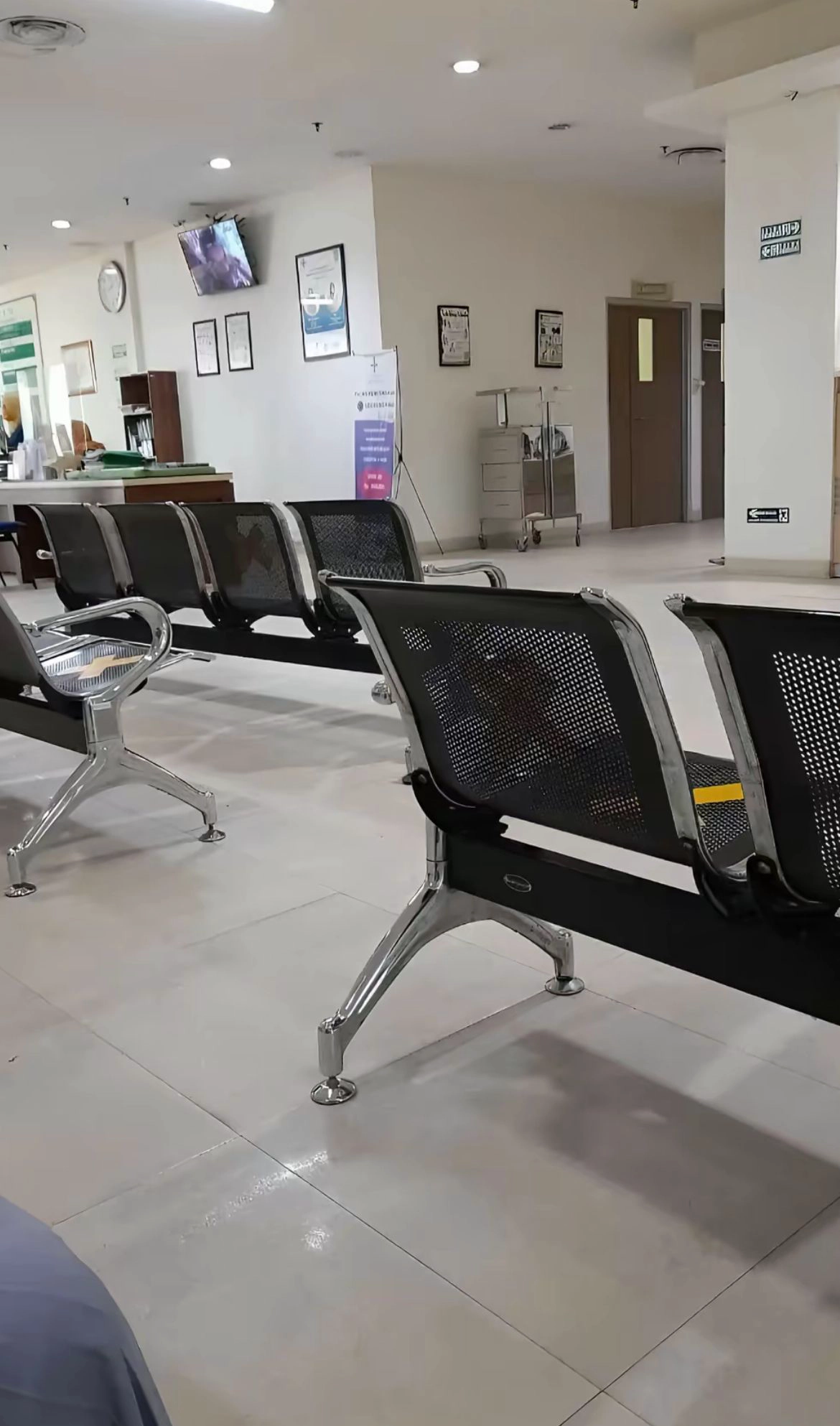
The report also found that modular seating systems are becoming increasingly popular, as they allow airports to easily rearrange their seating areas to accommodate changing passenger volumes. For example, during peak travel seasons, airports can add more seats to handle the crowds, and during slower periods, they can remove seats to create more space.
According to the report, the airport waiting chair market is set to continue growing over the next decade, as more and more airports upgrade their facilities to meet the needs of modern travelers. By 2032, analysts predict that smart, feature-rich waiting chairs will be the standard at almost all major global airports, transforming the way we wait for flights.