





Copenhagen Airport Expands Accessible Waiting Chair Options for PRM Travelers
COPENHAGEN — For passengers with reduced mobility (PRM), navigating a large airport can be a daunting task, from long walks between gates to waiting for assistance that can take hours to arrive. But this week, Copenhagen Airport announced a major expansion of its accessibility services, rolling out new accessible waiting chair options and autonomous wheelchair services to make the airport more inclusive for all travelers.
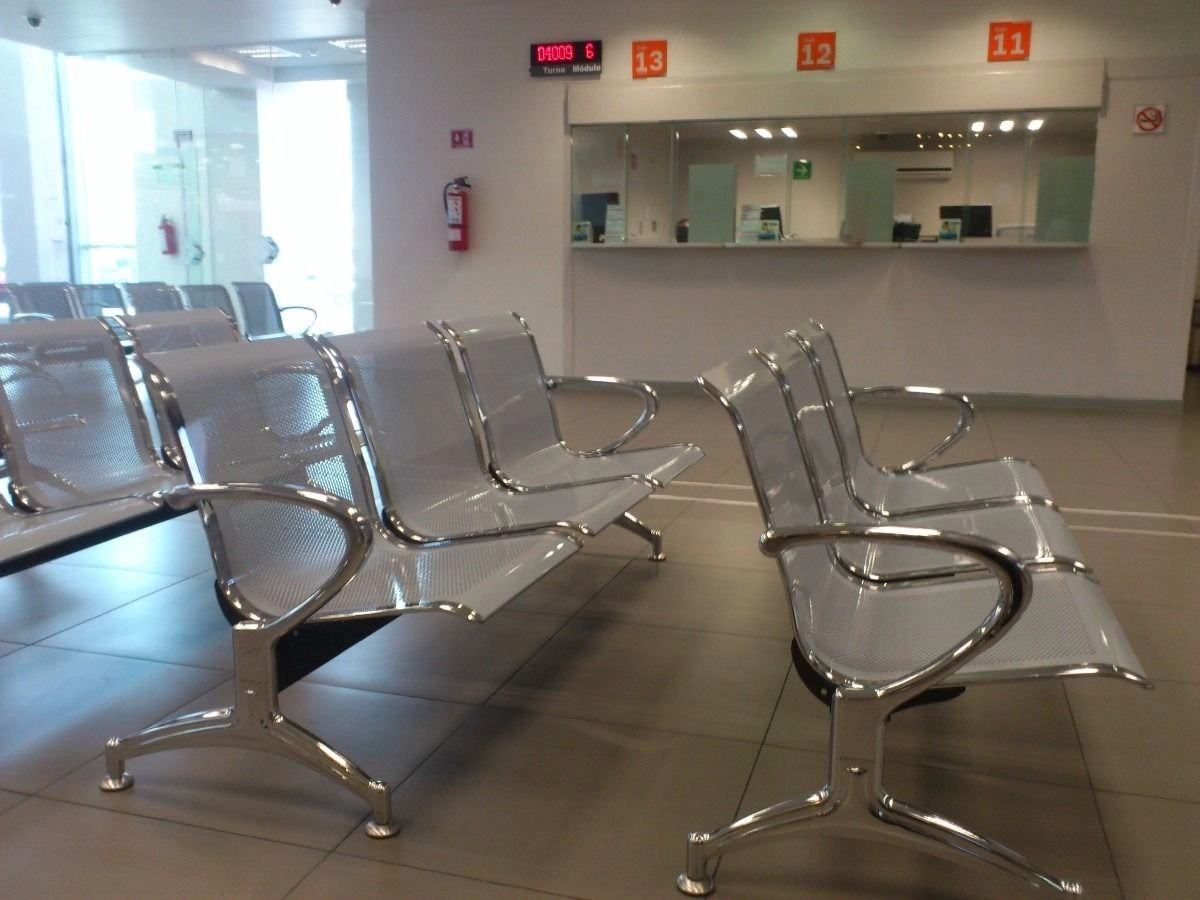
The new services, which are being rolled out in partnership with assistance provider Falck and mobility technology firm WHILL, are designed to give PRM travelers more independence and control over their journey. At the core of the expansion are new accessible waiting chairs, designed specifically for passengers with mobility issues, with lower seat heights, wider armrests, and extra support to make it easier for passengers to sit down and stand up.
“For too long, passengers with reduced mobility have had to deal with waiting chairs that weren’t designed for them—chairs that are too low, or too narrow, or that don’t have the support they need to get up safely,” said Martin Betzer, director of PRM assistance at Falck. “We wanted to change that, to create waiting areas where every passenger, no matter their mobility level, can sit comfortably and safely while they wait for their flight.”
The airport has also rolled out autonomous wheelchairs, which allow PRM travelers to navigate the airport on their own, without having to wait for a staff member to push them. The wheelchairs, which are equipped with sensors and pre-mapped maps of the airport, can navigate to the passenger’s gate automatically, avoiding obstacles and ensuring that the passenger arrives on time.
The new services are part of the airport’s broader accessibility strategy, which aims to make Copenhagen Airport one of the most inclusive airports in Europe. The airport has already invested more than 50 million DKK in accessibility upgrades over the past two years, including new ramps, accessible restrooms, and tactile paving for visually impaired travelers.
The expansion comes as the number of PRM travelers is growing rapidly across Europe, with an annual increase of 10% in the number of passengers requiring assistance. At Copenhagen Airport alone, Falck provides an average of 700 PRM assistances per day, and that number is expected to grow by 15% over the next five years.
“As the number of PRM travelers grows, it’s more important than ever that we make sure our airport is accessible for everyone,” said Sophie Hansen, CEO of Copenhagen Airport. “That means not just having ramps and restrooms, but also small things like accessible waiting chairs, that make a huge difference in how our passengers feel about their journey. We want every passenger to feel welcome, no matter what their needs are.”
The response from passengers has been overwhelmingly positive, with many PRM travelers saying that the new services have made their travel experience much easier. “I have arthritis, and it’s really hard for me to stand up from low chairs,” said Lars Nielsen, a traveler from Copenhagen who uses a wheelchair. “The new accessible waiting chairs are perfect—they’re the right height, and the armrests are strong enough to help me stand up. It makes waiting for my flight so much less stressful.”
The airport is also working to train its staff to better support PRM travelers, with new training programs that teach staff how to assist passengers with different types of disabilities, and how to use the new autonomous wheelchair technology. The goal is to ensure that every passenger gets the support they need, whether they prefer to use the autonomous services or to work with a staff member.
According to industry analysts, the expansion of accessible waiting chair options is part of a broader trend across European airports, as they work to meet the EU’s new accessibility regulations. By 2027, all EU airports will be required to provide accessible seating and other services for PRM travelers, and many airports are already working to upgrade their facilities to meet those standards.