






Green and Sustainable: A Material Revolution Sweeps the Auditorium Seating Industry
For a long time, auditorium chair manufacturing has heavily relied on virgin plastics, unsustainably sourced wood, and difficult-to-recycle composite fabrics. Now, leading manufacturers are placing sustainability at the core of product design. Fiber fabrics made from recycled PET bottles have become a common choice for mid-to-high-end auditorium chair upholstery, offering durability and comfort comparable to traditional materials while significantly reducing the carbon footprint. Even more innovative companies are using nylon fishing nets recovered from the ocean to create chair structures, transforming environmental pollutants into high-quality resources. These choices of green materials not only respond to the ESG procurement policies of global institutions but also meet the expectations of a new generation of audiences for environmentally friendly public spaces.

Material innovation has also driven a shift in design thinking. The concept of "design for disassembly" is becoming widespread. New-generation auditorium chairs use modular structures, allowing different material components (such as metal frames, plastic connectors, and textile fabrics) to be easily separated, greatly facilitating sorting and recycling at the end of the product's life cycle. This design philosophy aligns with the trend of public area seating design that emphasizes quick maintenance and updates, collectively aiming to reduce waste and extend the overall product lifespan. Furthermore, durability itself is considered the highest form of sustainability. By strengthening structures and using UV-resistant and scratch-resistant surface treatment technologies, the lifespan of high-quality auditorium chairs can be extended from ten years to twenty years or more, reducing resource consumption from the source.
This green revolution also brings a new user experience. Natural and recycled materials often possess unique textures and qualities, adding a warm, understated modern aesthetic to auditorium spaces. Meanwhile, new dyes based on plant extracts and solvent-free adhesives ensure indoor air quality, providing a healthier environment for audiences who sit for extended periods. This aligns perfectly with the requirements for waiting chairs in places like hospitals and airports regarding antibacterial properties, environmental protection, and indoor air quality, demonstrating a shared pursuit of health-related issues in public seating across different settings. Industry analysis indicates that auditorium chairs containing recyclable components and that are themselves recyclable are becoming an "invisible threshold" in large-scale government procurement and commercial project bidding.
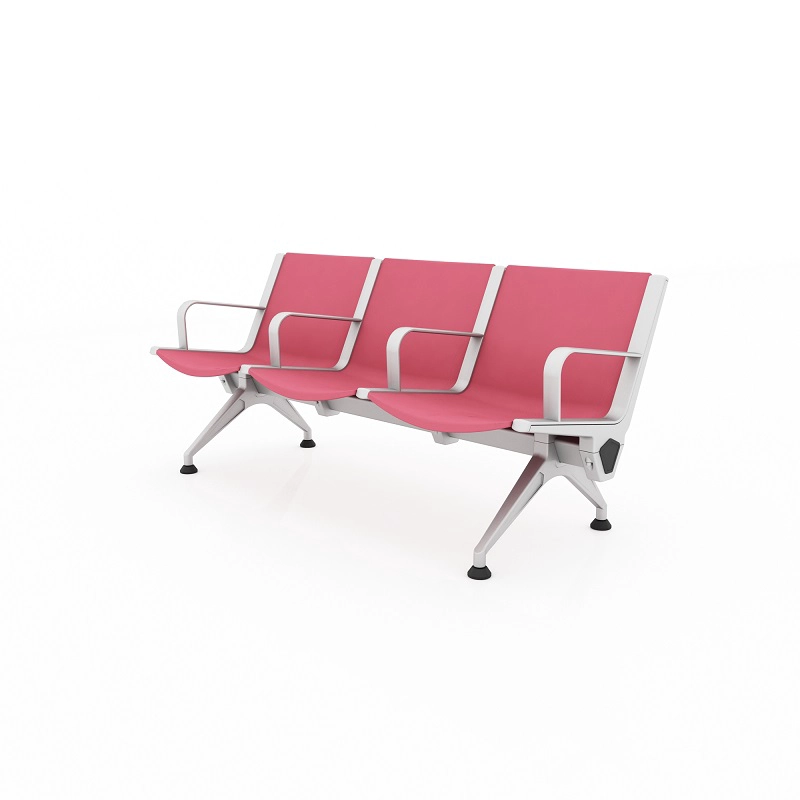
Of course, challenges remain. The cost of sustainable materials is sometimes still higher than traditional materials, requiring large-scale application to reduce costs. Supply chain transparency is also a major challenge, requiring manufacturers to provide reliable raw material traceability certificates. However, the driving force of market demand and policy regulations should not be underestimated. In the future, we may see more bio-based materials (such as corn fiber and algae foam) used in chair manufacturing, and even "carbon-negative" auditorium chairs. Starting with rows of seats, public buildings are fulfilling their environmental commitments. This materials revolution in auditorium chairs, and indeed in the broader field of public waiting chairs, proves that the path to sustainable development does not sacrifice comfort and aesthetics, but rather leads to a more responsible and creative industrial future.