





Silent Guardians: How the Waiting Chair Industry is Unlocking a Multi-Billion Dollar Market?
From "Having a Place to Sit" to "Sitting Comfortably": Industry Evolution and Demand Segmentation
In the past, cost was often the primary, or even the only, consideration in the procurement of seating for public spaces. This led to a market flooded with monotonous, poorly designed products. Today, this logic is being overturned. Market demand is showing clear segmentation and evolution.
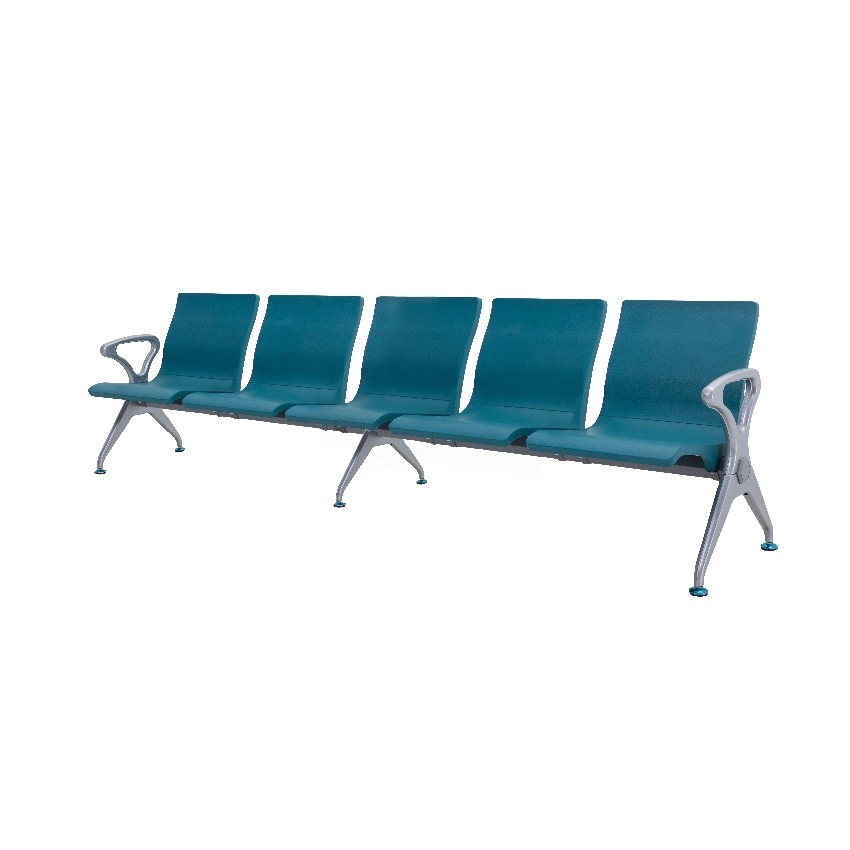
At the basic functional level, the durability, safety, and ease of cleaning of waiting chairs remain core requirements. For example, the need for antibacterial and mildew-proof properties in hospital settings, and the requirement to withstand high traffic wear in transportation hubs, have never been relaxed. But on this basis, "user experience" has been elevated to an unprecedented level. Ergonomic curve designs distribute pressure from prolonged sitting; just the right seat depth and backrest height provide support for brief relaxation; and in terms of materials, there's a shift from cold metal and hard plastic to warm solid wood, breathable mesh fabric, and soft upholstery, even incorporating antibacterial and stain-resistant technical fabrics. These changes alleviate the fatigue associated with the waiting process itself. A well-designed waiting chair silently conveys a sense of care and respect from the venue to its users.
Design Empowerment and Scene Segmentation: Waiting Chairs Become Nodes of Spatial Aesthetics and Intelligence
In today's waiting chair industry, design is a crucial driving force. It no longer hides itself, but actively integrates into and even enhances the aesthetics of the space. Designers integrate color psychology and modern aesthetics into their products, making the seating a striking focal point in public spaces. Morandi colors evoke tranquility, while vibrant hues inject energy, with different styles adapting to diverse settings ranging from government lobbies and bank VIP rooms to fashionable clinics and creative bookstores.
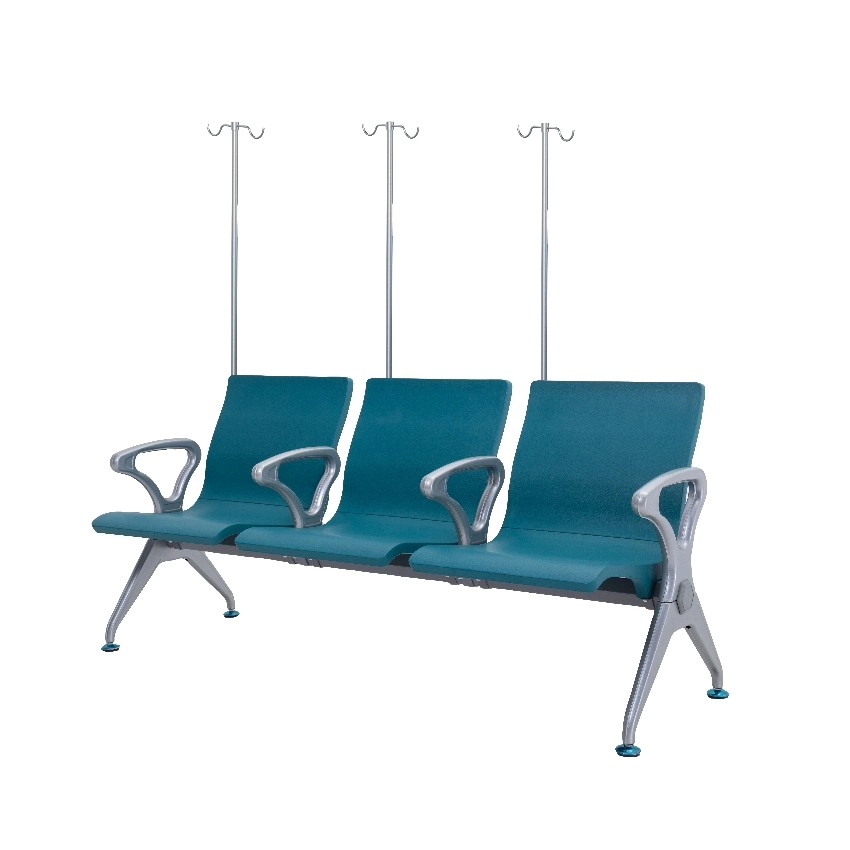
More importantly, contextual segmentation is becoming increasingly evident. Seating in airport waiting areas is beginning to integrate charging ports and convenient small tables; hospital waiting area seating is experimenting with modular designs to accommodate both family companionship and patient privacy; and waiting areas in government service centers are prioritizing seating arrangements that foster an equal and open communication atmosphere. Some high-end waiting chairs even integrate environmental sensing and pedestrian flow monitoring modules, becoming a small but real node in the smart city data network. Leading companies in the industry are no longer simply selling products, but providing scene-based "waiting space solutions."
New Materials and Sustainability: Green Concepts Shaping the Industry's Future
Environmental protection and sustainability are the Damocles sword hanging over the manufacturing industry, and the waiting chair industry is no exception. Today, environmentally friendly recycled materials (such as recycled plastics and recycled metals), rapidly renewable materials (such as bamboo), and low-VOC coatings and adhesives have become the proactive choice for more and more manufacturers. This not only responds to global environmental initiatives but also meets the green supply chain requirements of large buyers such as government agencies and multinational corporations.
From a product lifecycle perspective, easy repair and modular replacement designs reduce overall waste; classic and timeless design styles slow down the rate of obsolescence. The concept of sustainability is transforming from a cost constraint into a catalyst for brand value and product innovation.
Challenges and Prospects: The Next Blue Ocean for the Waiting Chair Industry
Despite the broad prospects, challenges remain. Industry concentration is still relatively low, and product homogenization competition is fierce in the low-end market. How to balance cost, design, and durability is a perpetual challenge for most manufacturers. In addition, the standardization and upgrading of the public procurement system will profoundly affect the industry's direction.
Looking ahead, the "blue ocean" for the waiting chair industry lies in a deep understanding and value reshaping of the act of "waiting." It is not merely furniture manufacturing, but a cross-disciplinary field integrating industrial design, materials science, environmental psychology, public health, and even digital technology. With the increasing aging of the population, the demand for age-friendly seating (such as chairs with assisted standing functions) will surge; and with the growing awareness of health, smart chairs with active health monitoring functions may no longer be a distant prospect.
Every moment of quiet waiting deserves to be treated with gentle care. From the periphery to the spotlight, the transformation of the waiting chair industry reflects society's growing emphasis on the quality of public spaces, and on human dignity and experience. This small chair is silently witnessing and participating in the arrival of a more considerate and humane era.