





The Agile Classroom: Modular School Desk and Chair Systems That Reconfigure in Seconds
Walk into a classroom in the morning for a lecture and return after lunch for collaborative group work. In a traditional room, this means a fifteen-minute chaotic scramble of dragging heavy furniture. A new modular school desk and chair system, however, allows a single teacher to completely reconfigure a thirty-student room in under ninety seconds — without a single scrape of metal on the floor.
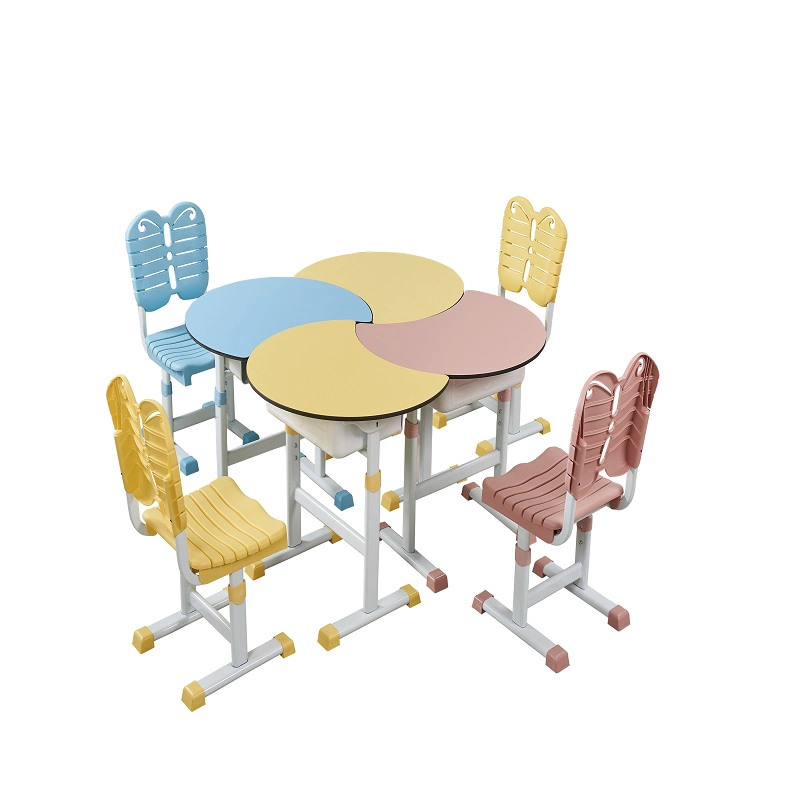
The rigidity of the traditional classroom layout — rows of bolted-down or impossibly heavy combo units — is the single greatest physical barrier to modern pedagogical practice. Project-based learning, the "flipped classroom," and differentiated instruction all require fluid transitions between whole-group instruction, small breakout pods, and individual assessment. The "FlexClass" system, recently launched by a German engineering firm specializing in kinetic furniture, addresses this with a school desk and chair that is lightweight, intuitively mobile, and instantly lockable. The trapezoidal desk surfaces are supported on a central column with soft, non-marking casters that glide under load but can be instantly braked with a foot pedal. The companion chair nests completely under the desk, its backrest fitting into a sculpted recess, so that each school desk and chair pair becomes a single, slim-profile unit that can be pushed silently into a daisy-chain for a semicircle, a "campfire" cluster, or individual test rows.
The acoustic and safety benefits are immediate and dramatic. Anyone who has taught in a classroom with loose chairs knows the deafening clatter of twenty-five metal legs hitting twenty-five metal table bases. This new school desk and chair eliminates that noise through a system of integrated silicone bumpers and magnetically guided docking points. When a student pulls their chair out to sit, it glides without scraping; when they push it back, it gently clicks into its nested position. The silent reconfiguration fundamentally changes the classroom atmosphere, lowering the ambient stress level for sensory-sensitive students and reducing the teacher’s vocal strain. The rapid transition time reclaims instructional minutes previously lost to logistics; a school can realistically schedule a ten-minute direct instruction, a twenty-minute group activity, and a ten-minute individual quiz in a single period, maximizing the pedagogical diversity that keeps adolescent brains engaged.
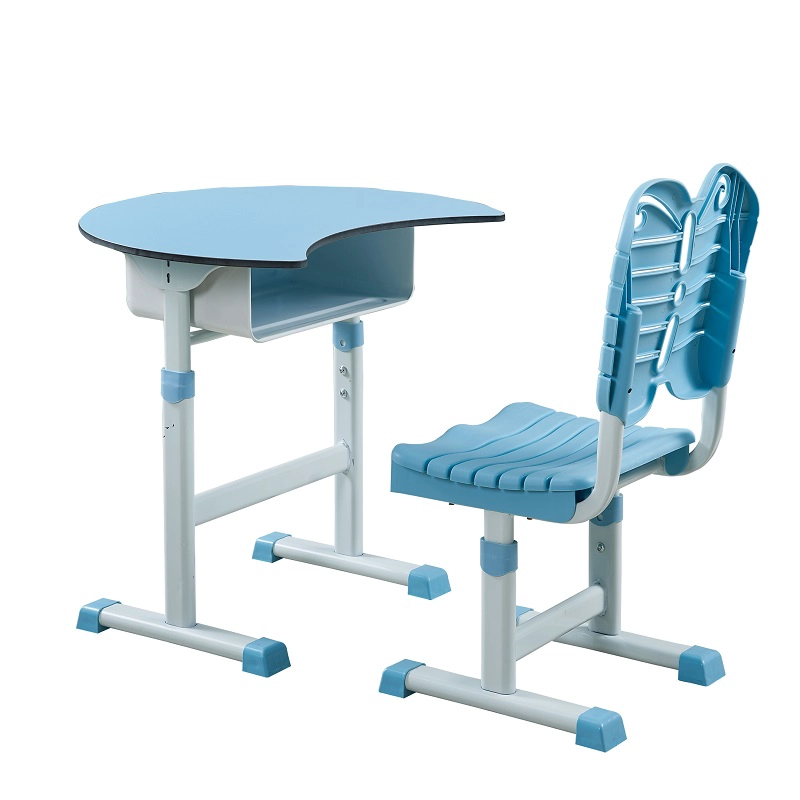
The teacher’s role shifts from furniture arranger to learning designer. The school desk and chair modules are color-coded and numbered, and a simple visual chart on the whiteboard shows students the target configuration for the next activity. The students themselves execute the transformation, developing routine and spatial awareness. For school districts, the modular system addresses the chronic underutilization of space. A single classroom can serve as a lecture hall, a lab, and a testing center. The capital investment in this agile school desk and chair is higher than traditional row seating, but the operational efficiency, improved behavior, and alignment with 21st-century skills curricula make it a flagship product for districts that have moved beyond the one-size-fits-all factory model of education. The walls of the classroom are fixed; the furniture no longer needs to be.