





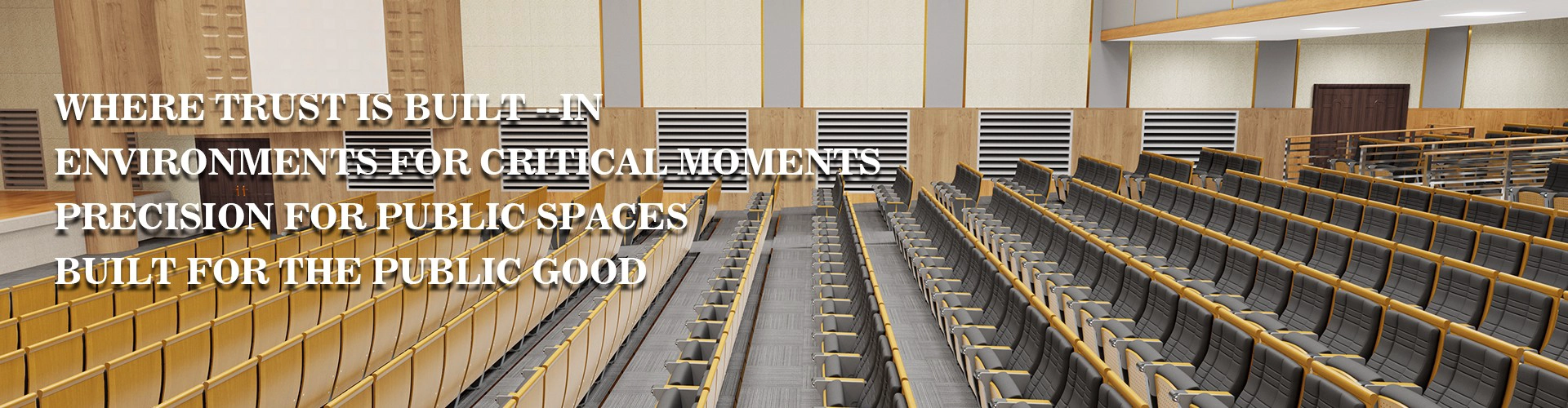
The Self-Powered Classroom: A School Desk and Chair That Harvests Kinetic Energy from Fidgeting
Every wiggle, bounce, and restless tap of a student’s foot represents wasted energy — literally. Now, a UK-based clean-tech startup has engineered a school desk and chair system that converts the micro-movements of fidgeting children into usable electricity, powering reading lights, tablet chargers, and even the classroom’s air-quality sensors.
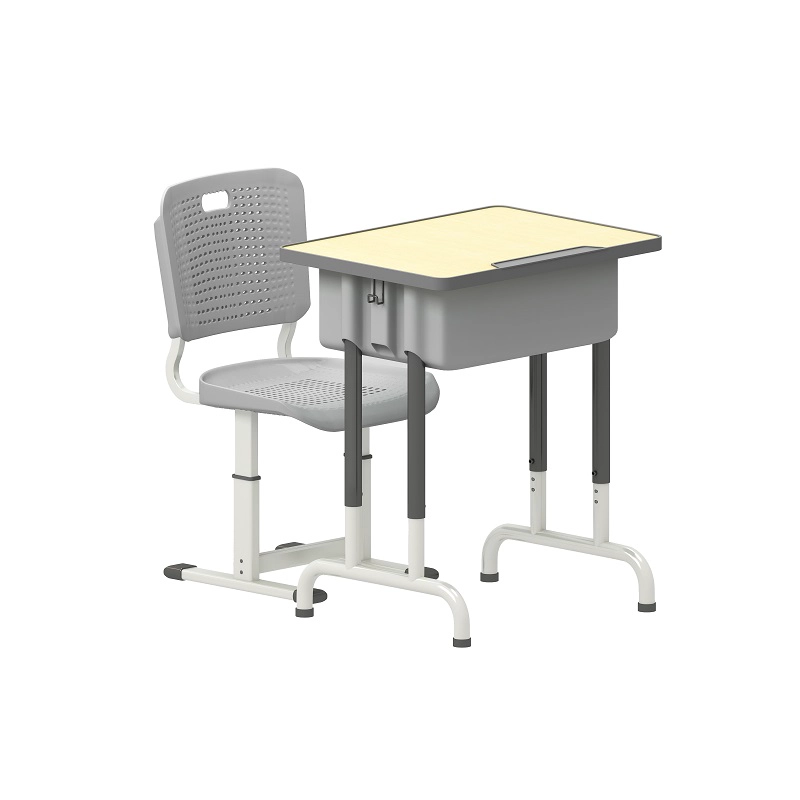
The kinetic energy of a classroom full of children is an enormous, untapped resource. For decades, teachers have battled the physical restlessness of their students, seeing it as a distraction to be suppressed. The "KineCharge" project flips that assumption on its head. Developed in partnership with a biomechanical engineering lab at Imperial College London, this pioneering school desk and chair embeds piezoelectric generators in the seat pan and electromagnetic induction coils in the chair’s rocking base. When a student shifts their weight, bounces a knee, or rocks slightly back, those micro-movements are captured and converted into a trickle charge of electricity. The energy is stored in a slim, lithium-iron-phosphate battery pack housed within the desk pedestal, which then powers a directional LED task light integrated into the desk’s edge, or provides a USB-C charging port for a school tablet. The simple act of sitting and learning generates a meaningful fraction of the classroom’s own energy needs.
The engineering behind this self-powered school desk and chair is deceptively sophisticated. The piezoelectric elements are not fragile ceramic disks but flexible, durable polymer strips that can endure millions of flex cycles without degradation — essential for surviving the punishing environment of a middle school. The chair's rocking mechanism has been tuned to a natural frequency that matches the typical fidgeting cadence of an adolescent, maximizing energy capture without the student feeling any resistance or distraction. The desk itself features a small, e-ink display that shows a real-time, gamified energy meter. Students can see their collective class output as a growing "energy tree," turning energy conservation from an abstract concept into a tangible, collaborative challenge. A full classroom of twenty-five of these school desk and chair units can generate enough power in an average school day to fully charge a class set of tablets, eliminating the need for overnight charging carts.
The health and behavioral benefits are an equally compelling part of the narrative. By rewarding movement rather than punishing it, the KineCharge school desk and chair reframes fidgeting as a positive, productive behavior. Pilot studies in three UK primary schools have shown that the presence of the energy-harvesting system does not lead to chaotic, increased movement; rather, it normalizes the natural, unconscious micro-movements that students already make, reducing the stigma and the disruptive "acting out" that comes from forced stillness. Teachers reported a significant decrease in the number of students asking to leave the room for "movement breaks," because the physical need for motion was being met at a subtle, continuous level within their own school desk and chair. The data also showed that students who previously felt guilty about their inability to sit still developed a new sense of pride — their energy was literally powering the classroom's lights.
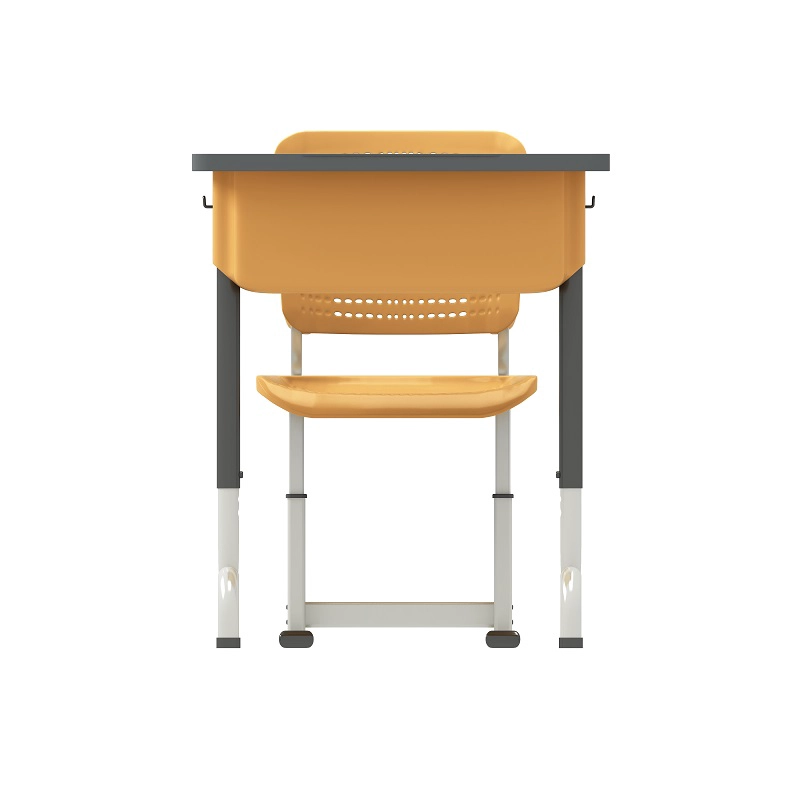
The commercial rollout is being targeted initially at schools with strong STEM and sustainability curricula, where the KineCharge school desk and chair itself becomes a teaching tool for physics, engineering, and environmental science. The system is priced at a premium over standard furniture, but the manufacturer argues that the elimination of charging trolley infrastructure, the reduction in electricity consumption for device charging, and the longevity of the maintenance-free energy-harvesting mechanism produce a positive return on investment over a ten-year lifecycle. The battery packs are designed to be easily swapped and recycled at end of life, and the entire chair frame is built from recycled marine aluminum. As the global energy crisis and school budget pressures intensify, the vision of a classroom that partially powers itself through the natural vitality of its young occupants is no longer a utopian fantasy. The school desk and chair has evolved from a passive energy consumer — a dead weight of plastic and steel — into an active energy producer, a micro-generator that harnesses the very restlessness that was once its enemy. In the classroom of the future, the students don't just sit in the furniture; they power it.