





Hybrid Work Trend Sparks Office Waiting Chair Upgrade Wave Across US Corporations
CHICAGO — The rise of hybrid work has transformed the office, and now it’s transforming the office waiting area. A new survey from the International Facility Management Association (IFMA) has found that 78% of US corporations are planning to upgrade their office waiting chairs over the next two years, as they renovate their offices to meet the needs of hybrid work.
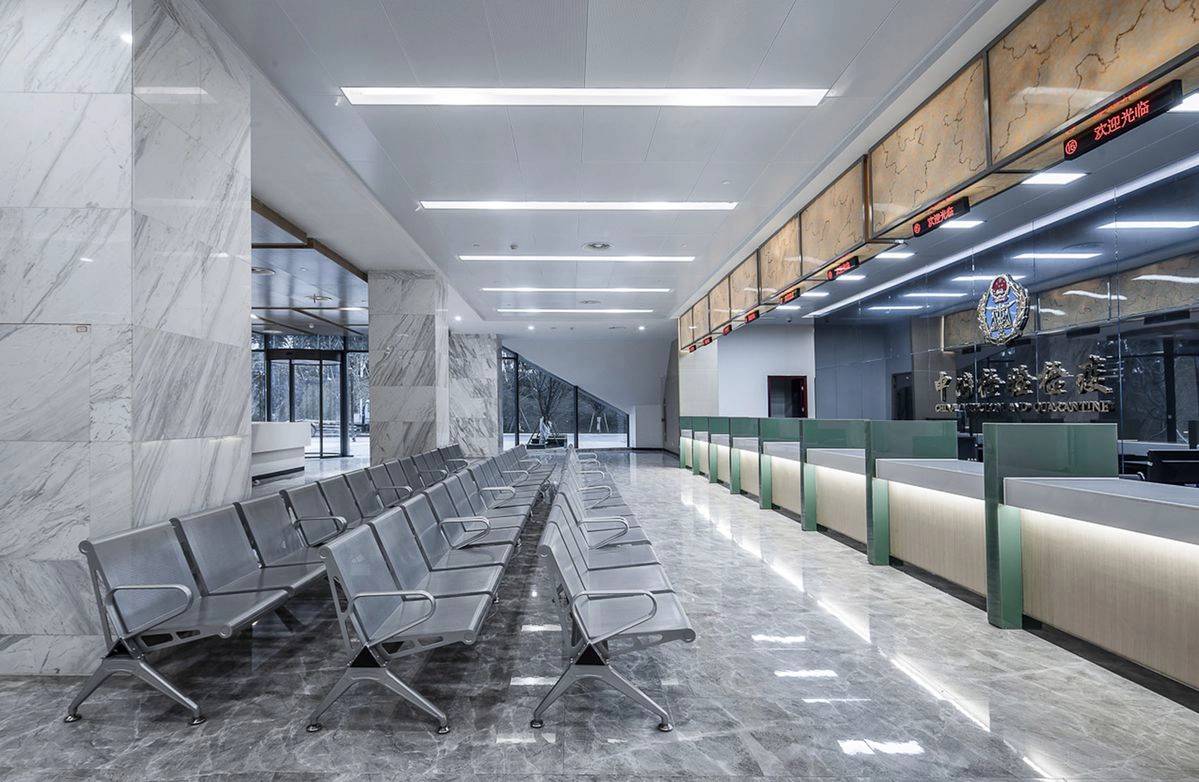
Before the pandemic, most office waiting areas were simple, with basic row chairs, designed for visitors who would only wait for a few minutes. But now, with hybrid work, offices are seeing more visitors—clients, candidates, remote employees coming into the office—and those visitors are often spending hours in the waiting area, working, taking calls, or waiting for meetings.
“ Hybrid work has changed everything about the office,” said Mark Crawford, a senior analyst at IFMA. “Before, the waiting area was just a place for visitors to sit for 10 minutes before their meeting. But now, visitors are coming in, and they’re spending the whole day in the office, working in the waiting area, taking calls, waiting for meetings. That means the old waiting chairs aren’t good enough anymore—they need something more comfortable, more functional.”
That’s why companies are upgrading their waiting chairs, replacing the old stiff row chairs with ergonomic, modular waiting chairs that have integrated charging ports, adjustable features, and space for working. The new chairs are designed to be comfortable for long periods of sitting, and to allow visitors to work while they wait.
Companies are also rearranging their waiting areas into multi-purpose spaces, with modular waiting chairs that can be rearranged for collaboration, small meetings, or individual work. The waiting area is no longer just a waiting area—it’s a flexible space that can be used for a range of different activities, as part of the hybrid office.
“ Our office used to be 9-to-5, in-office every day, but now it’s hybrid,” said Sarah Jenkins, office manager at a tech startup in San Francisco. “We have remote employees coming in a few days a week, we have clients coming in for meetings, we have candidates coming in for interviews. The waiting area is now a space where people work, where they take calls, where they collaborate. That’s why we upgraded our waiting chairs—we needed something that was comfortable for working, that had charging ports, that was flexible.”
The survey found that the most popular features for the new waiting chairs are integrated USB-C charging ports, which 82% of companies are adding, followed by ergonomic lumbar support, which 76% of companies are adding, and modular design, which 68% of companies are adding. Many companies are also adding privacy screens, to allow visitors to take private calls in the waiting area.
The upgrade wave is driving a boom in the office waiting chair market, with sales of office waiting chairs growing by 22% over the past year, according to the American Furniture Manufacturers Association. Major brands like Herman Miller, Steelcase, and Allseating are all seeing strong demand for their modular, ergonomic waiting chair lines.
“ We’ve seen our sales of office waiting chairs triple over the past year,” said Noah Schwarz, vice president of product design at Herman Miller. “Companies are redoing their offices for hybrid work, and the waiting area is one of the first places they start. They need waiting chairs that can support the new way of working, and that’s exactly what our modular systems provide.”
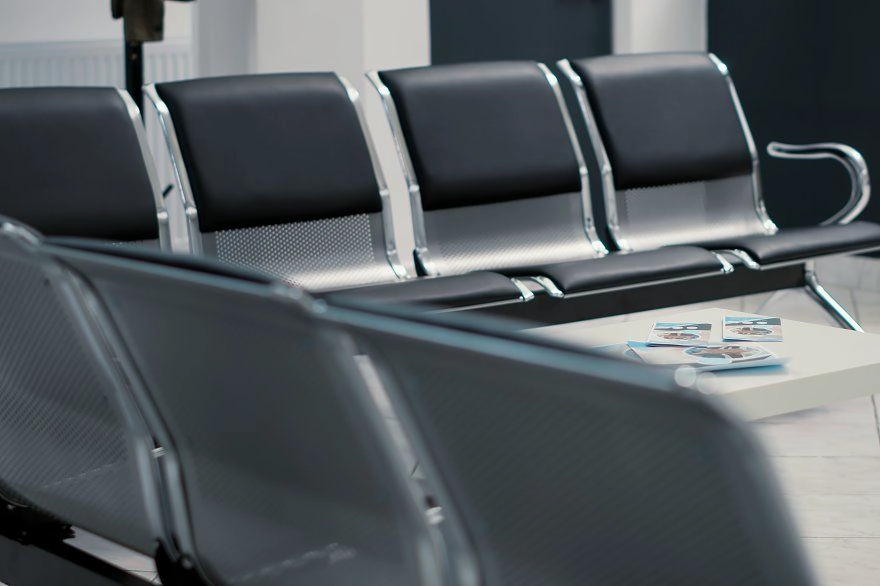
The trend is also being driven by the fact that companies are looking to impress clients and employees, as they try to encourage people to come back to the office. A nice, comfortable waiting area with good waiting chairs makes a great first impression, and it makes people want to come into the office