





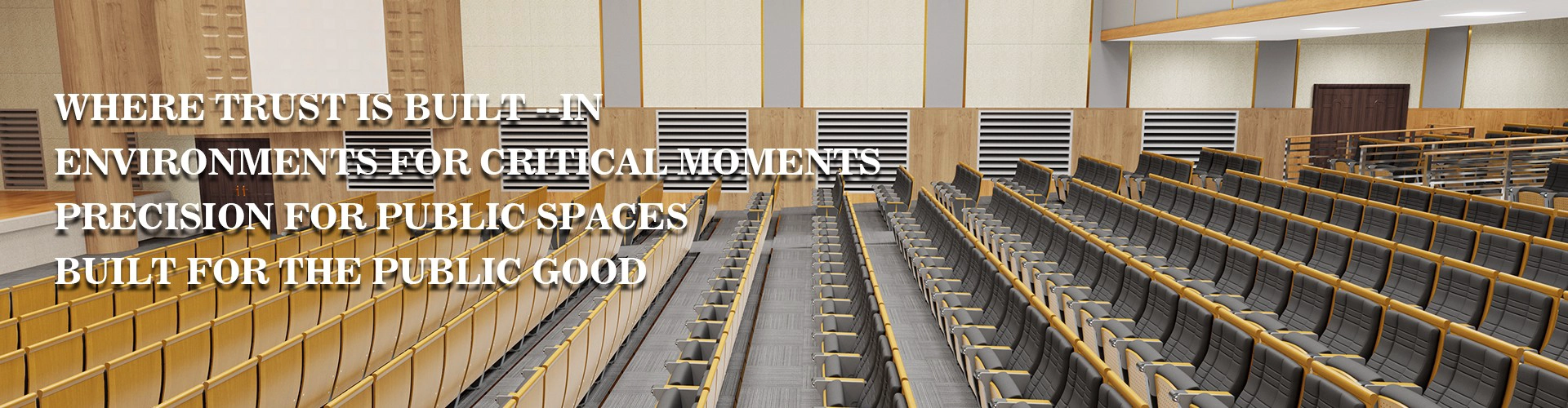
People-Centric Design: From "One Size Fits All" to "A Chair for Every Person" - The Wave of Customization
The so-called "customization" has long surpassed simply "changing the color" or "altering the size." Today, it's a multi-dimensional, in-depth solution designed to meet the specific functional needs of different scenarios and the physiological characteristics of different groups of people.
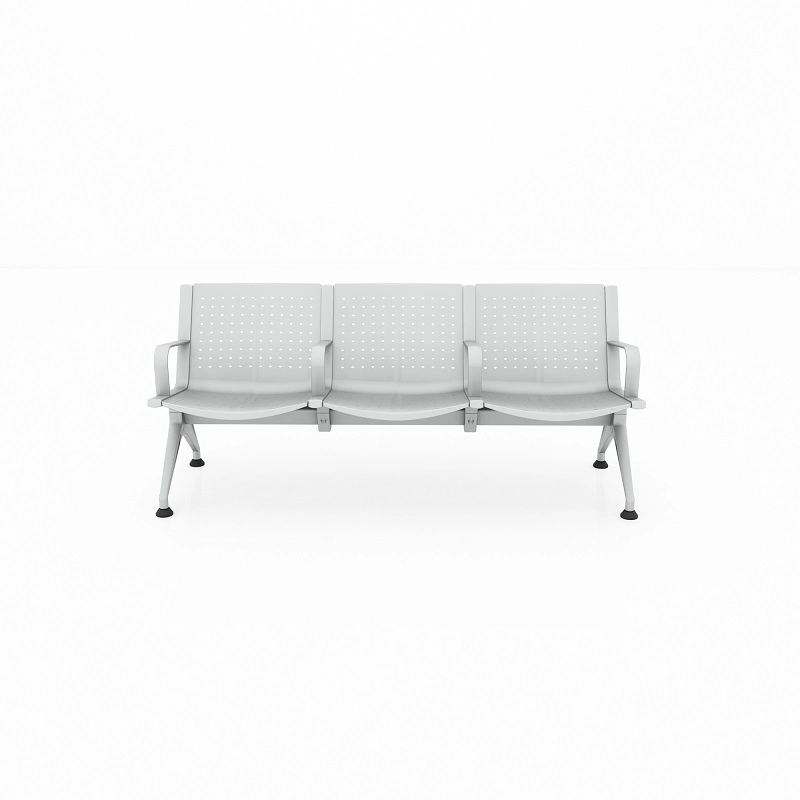
First, there's **scenario-based customization**. A reception chair in the lobby of a high-end office building is vastly different from a waiting chair in a community health service center, even though both are "waiting chairs." Their design language and functional configurations are worlds apart.
- **In high-end business settings**, the chair is an extension of the brand image. It needs to be highly designed, made of high-quality materials (such as genuine leather, wood veneer, and high-precision mesh fabric), and the colors must blend into the modern, minimalist office environment. It may even need to integrate smart features such as wireless charging and Bluetooth speakers to showcase the company's technological sophistication and humanistic care.
- **In grassroots healthcare settings**, the chair is a vehicle for public service. It needs to be sturdy and durable, easy to clean and disinfect, and antibacterial and antiviral functions have become standard. Considering the mobility limitations of the elderly and patients, the chair must have good armrest support and an appropriate seat height to facilitate getting up.
Secondly, there's **people-centric customization**. This is the ultimate embodiment of ergonomic principles. Traditional "universal" designs often only meet the needs of average-sized people, while the experience is often poor for children, tall adults, or the elderly. The wave of customization demands that we "tailor our designs":
- **For the education system**, especially primary and secondary schools, chair designs must strictly adhere to the height and development data of young people, using non-toxic and environmentally friendly materials, and even incorporating adjustable height features to accommodate children's rapid growth.
- **For the elderly**, whether in nursing homes or hospitals, the chair seats should not be too soft to prevent difficulty in standing up; the armrests must be sturdy enough to provide support; and the seat height and depth need to be specially designed to suit the leg flexion of elderly individuals.
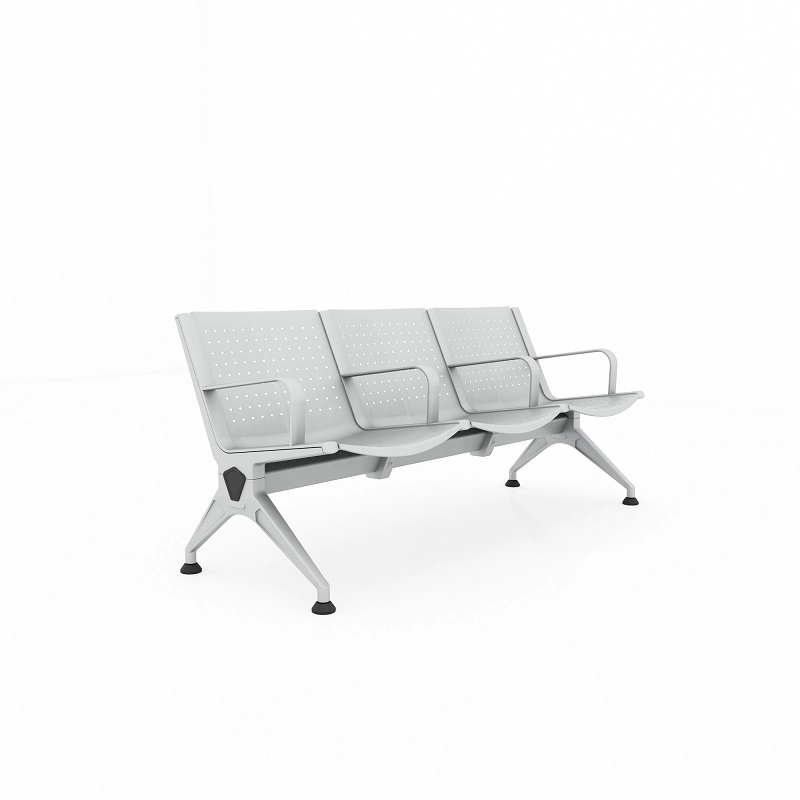
Furthermore, **customization in color and aesthetics** is becoming a powerful tool for brands to stand out. In commercial spaces, such as trendy cafes and fashion stores, waiting chairs are no longer just "background props," but "protagonists." Businesses need chairs whose colors perfectly blend with the store's decor, and even, through unique shapes and color combinations, become a photo-worthy spot, attracting customers and enhancing brand recognition.
The rise of this customization trend is thanks to advancements in production technology and increased consumer awareness. The application of 3D modeling, flexible manufacturing systems, and 3D printing technology has significantly reduced the cost of small-batch, multi-variety production, making "mass customization" a reality.
In short, from "one size fits all" to "a chair for every person," this is not only a change in product form, but also a return to respect and care for "people" in the industry. Future waiting chairs will no longer be cold industrial products, but "warm companions" that can perceive needs, provide care, and convey value. Whoever can more accurately understand user needs and provide more thoughtful customized services will win the hearts of users and secure a leading position in the industry.